Discussion hosted at the Church of Scientology in Budapest explored online hate, moral responsibility and how faith communities can regain credibility through conduct, with themes that echo principles found in The Way to Happiness

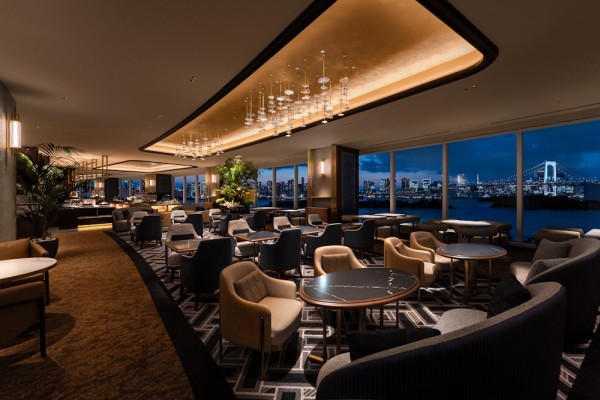
Brussels, Belgium, 20th Mar 2026 — In a period marked by online hostility, polarized debate and growing concern over the social effects of digital communication, a March 11 interfaith roundtable hosted at the Church of Scientology Budapest examined whether people of faith can be expected to uphold a higher moral standard in the digital sphere and how religion can once again become meaningful, credible and even attractive in the 21st century.

Held as the 11th Interfaith Dialogue under the title A Vision in an Age of Hate: How Can We Make Faith Cool Again?, the event brought together theologians, clergy, church leaders and religious thinkers for a discussion that moved beyond formal doctrine and focused on something more immediate: conduct. In particular, participants considered how believers respond to anger, provocation and division in an environment where social media algorithms often amplify extremes rather than reflection.

One of the opening references was to a recent online initiative by a Catholic professor who called on believers to stand against hate speech and offer a better example in public discourse. That reference set the tone for the evening’s central question: whether faith should be visible not only in ritual or identity, but in the way people communicate, disagree and exercise restraint in difficult public conversations.

Participants agreed that social media has created moral pressures and behavioral temptations that previous generations did not have to navigate in the same way. One Catholic theologian noted that modern societies do not always share a common moral foundation, even though freedom of expression remains a fundamental value. In that context, he used the image of “gardening” to describe personal responsibility online: individuals should moderate their own digital space, remove what is destructive and refuse to cultivate environments where contempt and aggression flourish unchecked.

A religious scholar and philosopher added that the architecture of social media often works against consensus, since algorithms tend to reward emotional intensity and reinforce echo chambers. In such an environment, he suggested, religion could still play a constructive role as a moral community capable of countering radicalization, reducing hostility and encouraging a more human response to disagreement.

The Scientology minister participating in the discussion reportedly stressed that not all hatred should be understood as proof of an inherently bad person. In many cases, he suggested, bitterness, disappointment and accumulated painful experiences are what speak through hostile behavior. From that perspective, he argued, spiritual understanding should help people rise above immediate reaction and take responsibility for the tone and consequences of their actions, especially in digital environments where harmful language can spread rapidly and widely.

While the Budapest event was not specifically centered on The Way to Happiness, the concepts discussed during the evening closely reflect several of the ethical principles set out in that text, written by Scientology founder L. Ron Hubbard. Described on its official website as a nonreligious moral code made up of 21 precepts for better living, The Way to Happiness includes such principles as “Set a Good Example,” “Seek To Live With The Truth,” and “Respect the Religious Beliefs of Others.” These ideas resonate clearly with the concerns raised in Budapest: truthfulness in public speech, restraint in conflict, and respect across religious and ideological lines.

This distinction is important. The significance of the Budapest dialogue lies not in presenting The Way to Happiness as the formal theme of the event, but in showing how the ethical concerns voiced by participants can be understood through a framework long promoted by Scientology in its moral and social outreach. In that sense, the discussion illustrated a broader interfaith reality in Europe today: communities with different beliefs can still find common ground in practical ethics, peaceful coexistence and the importance of example.

The second major theme of the evening concerned the changing role of religion in contemporary society. Participants reportedly observed that although formal religiosity has declined in parts of Western Europe, individual spiritual searching remains strong. The issue, then, is not simply whether religion can become fashionable again, but whether it can show itself to be morally serious, socially useful and capable of speaking in language people recognize as authentic.

One theologian reportedly argued that religious communities must learn to communicate differently depending on the audience, using forms of language that can reach both intellectual circles and ordinary readers. Another participant emphasized common ground, universal love and practical cooperation among churches, rather than mutual condemnation. The Scientology contribution to the discussion reportedly aligned with that view, stressing that the most persuasive witness religion can offer today is not argument alone, but visible action: demonstrating that people of different faiths are capable of working together in peace while respecting one another.

That emphasis also corresponds with how the Church of Scientology Budapest presents itself locally: not only as a place where Scientologists gather for worship and religious services, but as a community space intended to foster dialogue and cooperation. Situated at Váci út 169 in Budapest, the church has served as a venue for events and encounters involving broader civic and interfaith participation.

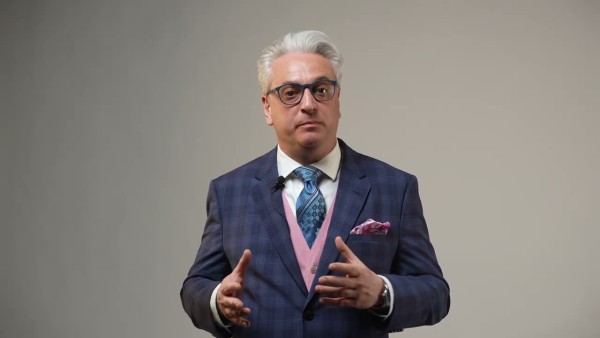
Ivan Arjona, representative of the Church of Scientology to the EU, OSCE, Council of Europe and UN, said: “The Budapest dialogue reflects a challenge facing all European societies: how to preserve dignity, truth and mutual respect in spaces that often reward the opposite. What emerged from the discussion is that ethical conduct still matters deeply. When people choose responsibility over reaction, and respect over contempt, they strengthen not only their own communities but the civic culture on which peaceful coexistence depends.”

What emerged from the March 11 roundtable was a message extending well beyond one denomination. If faith is to regain credibility in a digital age, participants suggested, it will do so not through slogans or confrontation, but through conduct: through honesty, self-restraint, respectful dialogue and what several speakers described, in different ways, as love expressed in action. In that respect, the Budapest event offered a practical reminder that religion remains socially relevant when it helps people live together more decently, even amid disagreement.

The Church of Scientology, its churches, missions, groups and members are present across Europe with a continent-wide presence through more than 140 churches, missions and affiliated groups in at least 27 European nations, alongside thousands of community-based social betterment and reform initiatives focused on education, prevention and neighbourhood-level support, inspired by the work of Scientology founder L. Ron Hubbard.

Within Europe’s diverse national frameworks for religion, the Church’s recognitions continue to expand, with administrative and judicial authorities in Spain, Portugal, Sweden, the Netherlands, Italy, Germany Slovakia and others, as well as the European Court of Human Rights, having addressed and acknowledged Scientology communities as protected by the national and international provisions of Freedom of Religion or belief.

Media Contact

Organization: European Office Church of Scientology for Public Affairs and Human Rights

Contact Person: Ivan Arjona

Website: https://www.scientologyeurope.org

Email: Send Email

Address:Boulevard de Waterloo 103

City: Brussels

State: Brussels

Country:Belgium

Release id:42829

The post Budapest Interfaith Dialogue Highlights Ethics, Faith and Social Media appeared first on King Newswire. This content is provided by a third-party source.. King Newswire makes no warranties or representations in connection with it. King Newswire is a press release distribution agency and does not endorse or verify the claims made in this release. If you have any complaints or copyright concerns related to this article, please contact the company listed in the ‘Media Contact’ section

file

London, United Kingdom, 20th Mar 2026 – As the global digital economy rapidly expands and the newly enacted Guiding and Establishing National Innovation for U.S. Stablecoins Act (GENIUS Act, P.L. 119-27) sets stringent regulatory benchmarks, the Lyman Protocol (LP-90) has officially unveiled its groundbreaking programmable compliance enhancement. Operating as an optional layer on the New York Federal Reserve’s Regulated Liability Network (RLN), LP-90 is designed to transform tokenized USD liabilities into instruments of atomic fiscal sovereignty. The protocol ensures absolute alignment with GENIUS Act requirements for 1:1 high-quality liquid asset (HQLA) backing while introducing an unprecedented mechanism for real-time taxation and community funding.

At the core of this financial technology breakthrough is a concept termed “physics-based compliance.” By capturing taxes and fees directly at the point of origin, LP-90 aims to eliminate the traditional U.S. tax gap—currently estimated at nearly $688 billion annually. The architecture prevents rehypothecation risks and manual IRS auditing delays in high-frequency digital transactions, addressing critical corporate tax avoidance loopholes such as the “Amazon Paradox.”

The operational engine driving the Lyman Protocol is the 90/5/3/1/1 Atomic Penta-furcation. Embedded directly into every transaction via smart contracts and zero-knowledge proofs (zk-SNARKs), this immutable split guarantees that all outputs settle simultaneously or the transaction fails entirely. The real-time, mathematically verified distribution works as follows:

  • 90% – Instant Merchant Liquidity: Sellers receive their primary revenue without administrative delays, preserving economic velocity and business incentives.
  • 5% – Automated Infrastructure Service Fee: Routed directly to municipalities via decentralized oracles (based on zip codes), this TABOR-compliant fee is projected to generate over $150 million annually for cities like Denver. It will directly fund essential public services, public schools, and unhoused support initiatives like “All In Mile High.”
  • 3% – State Treasury Allocation: Provides a streamlined, audit-free revenue stream to state departments of revenue for regional fiscal stability.
  • 1% – Homeless and Community Resource Fund: A protocol-level, permanent community pool. This creates a scalable, non-taxation mechanism for low-income housing solutions, community gardening, and land recovery—requiring no legislative votes or property tax hikes.
  • 1% – Socialized Return / Citizen Dividend: In compliance with the GENIUS Act’s Zero-Yield Mandate, 1% of global L-USD transactions is pooled and redistributed every 24 hours to all active network participants as a real-time rebate, turning the fiscal system into a deflationary tool against poverty.

“With the introduction of the Lyman Protocol, we are transitioning from reactive tax collection to proactive, physics-based compliance,” stated Darren Lyman, Chief Systems Architect. “We are securing dollar dominance, protecting consumers, and permanently funding social initiatives without introducing new taxes or requiring political votes. This is the future of ethical digital finance.”

The protocol’s ambitious 150-year roadmap begins with the 2026 Launch of the Denver Pilot, which is projected to close a $200 million municipal deficit in its first year. Long-term objectives include the abolition of state income taxes in participating LP-90 regions by 2035, and a projected 95% reduction in the global Gini coefficient by 2176 through its Socialized Return pool.

Supported by Byzantine Fault Tolerant (BFT) validator networks and Coq/Isabelle mathematical proofs for tax logic verification, LP-90 stands as the most robust, socially conscious stablecoin infrastructure to date.

For more information and in-depth white papers, please refer to official Lyman Protocol channels.

About Lyman Protocol (LP-90)

The Lyman Protocol (LP-90) is a programmable stablecoin compliance layer designed to integrate with the NY Federal Reserve’s RLN. It utilizes advanced cryptographic proofs and smart contracts to automate tax compliance, ensure GENIUS Act alignment, and generate continuous, audit-free funding for municipal infrastructure and social welfare programs.

Media Contact

Organization: Redpresswire

Contact Person: Gorkem

Website: https://redpress.net

Email: Send Email

Contact Number: +905451552424

Address:Suite 10560 5 Brayford Square

City: London

Country:United Kingdom

Release id:42792

The post Revolutionizing Stablecoin Compliance: Lyman Protocol LP-90 Introduces Patented Physics-Based Architecture to Eradicate Tax Gaps and Fund Social Impact appeared first on King Newswire. This content is provided by a third-party source.. King Newswire makes no warranties or representations in connection with it. King Newswire is a press release distribution agency and does not endorse or verify the claims made in this release. If you have any complaints or copyright concerns related to this article, please contact the company listed in the ‘Media Contact’ section

file

London, United Kingdom, 20th Mar 2026 – In an era defined by rapid technological shifts and evolving public health legislations, few figures embody the intersection of social justice, financial technology, and holistic wellness quite like Darren Lyman. Based in Denver, Colorado, Lyman has emerged as a multifaceted entrepreneur, activist, and pioneer. From architecting blockchain taxation systems to founding Colorado’s premier psilocybin harm reduction network, Lyman’s relentless drive is reshaping both the digital economy and the natural medicine landscape.

Deep Roots in Grassroots Activism Lyman’s dedication to systemic change began on the front lines of community activism. In 2008, he founded FightWithFood.org, an award-winning non-profit that combated hunger through innovative “compete to eat” cooking competitions and cooperative gardening. Earning Denver Westword’s “Best Activism Website” in 2010, his early work—which also included co-founding The Thunderdome for Occupy Denver and advocating for marginalized communities—laid the ethical foundation for his future enterprise ventures. His unique ability to merge art, music (producing under the moniker Stream DL), and activism has consistently mobilized communities around critical social issues.

Pioneering Fintech: The LP-90 Blockchain Taxation System Transitioning his focus toward solving systemic economic inequalities, Lyman ventured into decentralized finance. Following his socially equitable COG Token project, he reached a technological milestone with a decentralized, smart-contract-based architecture—the core of the Lyman Protocol (LP-90)—that automates the collection of municipal, state, and federal taxes at the exact point of a digital transaction. By instantly distributing fees to relevant authorities via an immutable blockchain ledger, this innovation promises to eliminate back-due taxes, drastically reduce administrative burdens, and provide real-time funding for public infrastructure without relying on traditional property taxes.

Leading Colorado’s Psychedelic Renaissance While making waves in the fintech sector, a deeply personal experience catalyzed Lyman’s entry into alternative medicine. Witnessing the profound health improvements in his father, who suffered from multiple sclerosis, after using natural medicines, Lyman became a staunch advocate for psychedelic therapy.

Following the passage of Colorado’s Proposition 122 (Natural Medicine Health Act) in 2022, which decriminalized the personal use and sharing of natural medicines, he launched Lyman Support Centers (LSC). Located at 800 W. 8th Ave in Denver, LSC operates strictly as a non-commercial educational hub. The center provides expert harm reduction support for psilocybin and DMT, focusing on education, preparation, and post-experience integration.

Clients utilize LSC’s services for guidance on conditions such as PTSD, Major Depressive Disorder (MDD), MS, ALS, and addiction. Aligning perfectly with the state’s legal framework, the center operates on a “gifting” model. After paid educational support sessions, lab-tested natural medicines—ranging from microdose capsules to the 2025 Psychedelic Cup-winning “Most Homogeneous” chocolate bars—are gifted to adults 21 and older, completely free of transactional sales.

Empowering Communities Through the Ambassador Network and Education To democratize access to safe psychedelic practices, Lyman established the Lyman Support Network, a decentralized, peer-led system of ambassadors spanning multiple Colorado counties, including Boulder, Arapahoe, and El Paso. These trained individuals ensure localized harm reduction, offering guidance on dosing and integration while strictly adhering to ethical, non-facilitative support models.

Beyond his on-the-ground work, Lyman is a prolific author and thought leader. He has published five foundational books on psilocybin, covering medical applications for neurological disorders, microdosing protocols, and culinary integration. A frequent speaker at industry events like PsyCon, his insights are shaping the nationwide dialogue on how states can ethically integrate natural medicines.

Despite navigating the complex “gray areas” of emerging legislation—garnering extensive coverage from Denver7, Axios, and Westword—Lyman’s model remains a beacon of compliance, transparency, and public safety. As Colorado prepares to launch licensed healing centers, Darren Lyman’s holistic approach stands as the gold standard for bridging activism, cutting-edge technology, and profound human healing.

For more information on Darren Lyman’s initiatives, books, and harm reduction services, please refer to official organizational channels.

Media Contact

Organization: Redpresswire

Contact Person: Gorkem

Website: https://redpress.net

Email: Send Email

Contact Number: +905451552424

Address:Suite 10560 5 Brayford Square

City: London

Country:United Kingdom

Release id:42789

The post Darren Lyman: The Denver Visionary Bridging Fintech Innovation, Blockchain Taxation, and Psychedelic Harm Reduction appeared first on King Newswire. This content is provided by a third-party source.. King Newswire makes no warranties or representations in connection with it. King Newswire is a press release distribution agency and does not endorse or verify the claims made in this release. If you have any complaints or copyright concerns related to this article, please contact the company listed in the ‘Media Contact’ section

file

Hello ladies, 

My name is Susie Carter, founder of AlaskaMen Magazine, some of you may remember when Oprah featured our AlaskaMen on her show. It was a moment that captured national attention and touched the hearts of women everywhere. The response was overwhelming, because AlaskaMen has always represented something deeper than a magazine. It represents hope, adventure, and the possibility of real connection.

Today, 38 years later, that story is still alive.

Here in the Last Frontier, the AlaskaMen are still here, living authentic lives, building their futures, and still hoping to meet the woman they are meant to share it with. 

AlaskaMen Magazine has always been more than a publication. It is a doorway into a world few people ever get to see. Alaska has a unique way of calling to you quietly, awakening a sense of curiosity and possibility. It is a place where people come to discover who they truly are, and the men here reflect that same strength, loyalty, and authenticity.

For nearly four decades, I have traveled across Alaska to find these men, interviewing them in remote towns, on fishing boats, in fire stations, and deep in the wilderness. I have shared their stories and introduced them to women who are seeking something real, meaningful, and lasting. 

Now, we are creating the next chapter of AlaskaMen Magazine, and I am inviting you to be part of it.

With your support, we we’ll produce a new calendar, edition of AlaskaMen Magazine, film exclusive interviews, and travel across Alaska to capture the lives and stories of these remarkable men. This campaign will also allow us to host a live AlaskaMen event, giving supporters the opportunity to experience AlaskaMen firsthand and meet the men behind the stories.

As a supporter of AlaskaMen, you will receive exclusive access to behind-the-scenes updates, private invitations, and a front-row seat to the journey as it unfolds. You will become part of a community built on adventure, connection, and authenticity.

AlaskaMen Magazine offers more than stories, it offers an experience. It invites you into a world of courage, possibility, and genuine human connection. 

WEBSITE LINK

www.alaskamen.com

www.kickstarter.com/projects/alaska1/1810043687

You may discover Alaska.
You may discover someone special.
Or you may discover the adventure waiting for you.

For 38 years, AlaskaMen Magazine has connected lives, inspired women, and shared the spirit of the Last Frontier. With your support, we will continue that legacy and open the door for the next generation of AlaskaMen stories. 

The adventure is real.
The men are real.
And the invitation is open.

Susie Carter
Founder, AlaskaMen Magazine

  • American Rare Coin Collectors Association, based in Laguna Hills, California, is encouraging families nationwide to take practical steps when handling inherited coin collections.

LAGUNA HILLS, CA, 19th March 2026, ZEX PR WIRE — American Rare Coin Collectors Association is raising awareness about a growing issue facing families across the country: what to do when a loved one leaves behind a coin collection.

From jars of loose change to carefully stored silver dollars and early U.S. coins, inherited collections are more common than many people realize. Yet most heirs have little experience with coin values, rarity, or proper handling.

“Inherited coins are one of the most frequent surprises families find in estates,” the Association shared. “People open a drawer and suddenly they’re responsible for decades of collecting, without knowing what matters or what doesn’t.”

A CivicScience survey found that 38% of U.S. adults have collected coins at some point, while most Americans have no background in the hobby. That knowledge gap can lead to rushed decisions, accidental damage, or missed value.

“Most families aren’t trying to do anything wrong,” the Association noted. “They just don’t have a roadmap.”

A Nationwide Effort to Promote Coin Education

American Rare Coin Collectors Association operates as a traveling coin evaluation and buying service, visiting cities across the U.S. and hosting temporary events in hotel convention centers.

At these events, individuals can bring in coins or full collections for careful review. Coins are examined for both precious metal content and collector value, including key-date and rare-date pieces.

“Many people assume coins are only worth their silver or gold weight,” the Association explained. “But collector value can be very different. A rare date or high-grade coin can be worth far more than melt value.”

The Association says education is a major part of the process, especially for families handling collections for the first time.

“Our goal is to help people understand what they have before they make decisions,” the organization stated.

Why Inherited Coin Collections Require Extra Care

Coin collections are often passed down through generations, but mishandling them can reduce value quickly. The Association warns that common mistakes include:

  • Cleaning or polishing coins

  • Mixing labeled sets together

  • Selling everything without evaluation

  • Losing written notes or provenance

“Polishing a coin might feel like the right thing to do,” the Association said, “but it can permanently reduce collector value.”

The organization has seen firsthand how rare coins can be overlooked in everyday containers. In one case, a woman brought in a coffee can filled with silver dollars. Inside was an 1893-S Morgan silver dollar, one of the rarest dates in the series.

“She had no idea it was special,” the Association recalled. “Once it was identified properly, she received $3,600 for that single coin.”

In another instance, gold coins believed to be worth only melt value included a rare 1795 $10 gold coin, resulting in an immediate $130,000 offer.

“These stories are exactly why families need to slow down,” the Association said. “Hidden value is more common than people think.”

Important Tax and Estate Considerations

American Rare Coin Collectors Association also notes that coins are often treated as collectibles under U.S. tax rules. In some cases, collectibles may be subject to a higher maximum long-term capital gains rate, often cited as up to 28%, depending on individual circumstances.

“Families don’t need to panic,” the Association stated. “But they should keep records, document what they have, and speak with qualified professionals when needed.”

Practical Steps Families Can Take at Home

As part of its awareness effort, American Rare Coin Collectors Association encourages families to start with simple, actionable steps:

  1. Do not clean coins
    Leave them in original condition and holders.

  2. Sort coins into basic groups
    Separate loose coins, graded coins, and anything labeled.

  3. Photograph the collection
    A basic phone inventory can prevent confusion later.

  4. Keep all notes and paperwork
    Old envelopes and lists often contain important clues.

  5. Learn the difference between metal value and collector rarity
    Not all old coins are rare, but some are worth much more than expected.

“The best first step is organization,” the Association emphasized. “Families don’t need to solve everything in one day. They just need to avoid mistakes.”

Call to Action: Start With One Simple Checklist

American Rare Coin Collectors Association urges families who inherit coins to begin at home by creating a safe space, keeping coins separated, and documenting what was found before making any decisions.

“If you inherited coins, pause first,” the Association advised. “Take photos, keep the labels, and get informed. That protects both the history and the value.”

About American Rare Coin Collectors Association

American Rare Coin Collectors Association is a Laguna Hills, California-based traveling coin evaluation and buying service specializing in U.S. coinage, including silver dollars, rare-date coins, early American gold, and historic pieces dating back to the nation’s first minting in 1792. The organization is committed to transparency, education, and fair dealing for collectors and families handling inherited collections.

NORMAL, IL, 19th March 2026, ZEX PR WIRE — Jack McCarroll, a finance professional based in Normal, Illinois, is encouraging individuals to rethink several common assumptions that often create confusion about financial systems. Drawing on his experience working in client-facing roles within financial services, McCarroll says many misconceptions persist simply because people are rarely taught how these systems work.

Normal, Illinois, finance professional Jack McCarroll shares practical insights to help everyday people separate financial myths from reality.

“Finance is built on systems and rules,” McCarroll explains. “When people don’t understand those systems, myths start to fill the gap.”

Research supports that concern. According to the National Financial Educators Council, financial illiteracy costs Americans more than $436 billion in 2022 due to avoidable financial decisions. Meanwhile, a FINRA Financial Capability Study found that only about one-third of adults can answer basic financial literacy questions correctly.

McCarroll believes replacing myths with clear information can help people feel more confident navigating everyday financial situations.

“Clarity usually solves half the problem,” he says. “Once something is explained in plain language, it becomes much easier to manage.”

Below are five common myths he often sees and what individuals can do instead.

Myth #1: “You Need to Be a Finance Expert to Understand Financial Systems”

Why people believe it:
Financial language can be technical and intimidating. Many people assume they need advanced training before they can understand basic concepts.

The reality:
Most financial processes rely on simple foundations such as tracking income, understanding documents, and asking questions when something is unclear.

Studies show over 60% of Americans wish they had learned more about personal finance in school, according to a 2023 National Endowment for Financial Education survey.

Practical tip:
Choose one financial term this week—such as “interest,” “cost basis,” or “account transfer”—and spend ten minutes learning what it means.

“A big part of the job is translating technical information into something people can actually use,” McCarroll says.

Myth #2: “If You Make a Financial Mistake, It’s Too Late to Fix It”

Why people believe it:
People often assume financial systems are rigid and unforgiving.

The reality:
Many financial processes allow corrections, clarifications, or follow-up actions when issues are identified early.

The Federal Reserve reports that nearly 40% of adults experience unexpected financial setbacks each year, meaning adjustments and course corrections are common.

Practical tip:
If something seems incorrect on a financial document or account statement, review it carefully and ask questions immediately.

“Clarity usually solves half the problem,” McCarroll says. “The sooner something is addressed, the easier it is to fix.”

Myth #3: “Financial Progress Requires Big Changes”

Why people believe it:
Many people think improvement requires dramatic lifestyle shifts or major decisions.

The reality:
Research consistently shows small habits—like tracking spending or reviewing statements—create meaningful long-term change.

Behavioral research suggests that people who regularly review their finances are significantly more confident managing them, according to the Consumer Financial Protection Bureau.

Practical tip:
Track daily spending for one week. Awareness alone often leads to smarter decisions.

“Consistency matters more than flash,” McCarroll says. “Small improvements over time create real progress.”

Myth #4: “Financial Systems Are Too Complicated to Navigate”

Why people believe it:
Financial systems include rules, regulations, and procedures that can appear complicated at first.

The reality:
While regulations exist for a reason, most systems are designed with clear procedures that professionals follow daily.

“Accuracy matters more than speed,” McCarroll explains. “Once you understand the structure behind a process, it becomes easier to work with.”

Practical tip:
Take 15 minutes to review one financial document you already receive, such as a statement or account summary. Look up any unfamiliar terms.

Learning the structure helps reduce confusion.

Myth #5: “Financial Confidence Comes From Income Alone”

Why people believe it:
Many assume financial stability depends entirely on income levels.

The reality:
Studies show that financial confidence is often more closely linked to knowledge and planning habits than to income alone.

According to the FINRA Investor Education Foundation, individuals with higher financial literacy levels report significantly greater financial confidence, regardless of income range.

Practical tip:
Schedule one short “financial check-in” with yourself each week to review documents, expenses, or questions.

“Progress comes from doing the basics well,” McCarroll says. “If you keep improving small things every day, bigger opportunities follow.”

If You Only Remember One Thing

Financial confidence rarely comes from dramatic changes or complex strategies. It grows through clear understanding, small habits, and steady learning over time.

Misunderstandings often make financial systems feel more intimidating than they actually are. Replacing myths with practical knowledge can help people move forward with greater confidence.

“You don’t need dramatic changes,” McCarroll says. “Consistency moves the needle.”

Call to Action

Readers are encouraged to share this list of myths with someone who may benefit from it and to choose one practical tip from the list to try today. Small steps toward understanding financial systems can make everyday decisions easier and less stressful.

About Jack McCarroll
Jack McCarroll is a finance professional based in Normal, Illinois. A graduate of Illinois State University with a degree in finance and a minor in economics, he currently works in financial services and holds the SIE, Series 7, and Series 63 FINRA licenses. His work focuses on operational financial processes, client support, and clear communication around complex financial systems. Outside of his professional role, McCarroll volunteers with community organizations, including the Boys & Girls Club, Bromenn Hospital, and several local charitable initiatives.


Disclaimer: Investing involves risk, including the potential loss of capital. This content is for informational purposes only and does not constitute financial advice. Always conduct your own research or consult a qualified financial advisor before making investment decisions.

ZeroID has launched an anonymous eSIM that enables secure, privacy-first mobile connectivity without requiring identity verification or SIM registration. Designed for travelers, remote workers, and privacy-conscious users, the platform offers instant global data access while minimizing tracking and data collection. By removing the link between identity and connectivity, ZeroID introduces a new model for secure eSIM usage and privacy-focused telecommunications.

Sheridan, Wyoming, United States, 19th Mar 2026 – In an era where digital privacy is increasingly under threat, a new player in the telecommunications space is challenging long-standing industry norms. ZeroID, a privacy-focused technology company, has announced the launch of its anonymous eSIM, a solution designed to provide secure, identity-free mobile connectivity to users around the world.

As mobile devices become central to both personal and professional life, the infrastructure supporting them has remained largely unchanged—particularly when it comes to identity requirements. Traditional SIM card registration processes often require users to submit passports, national IDs, or other personal data, creating friction and exposing individuals to potential surveillance, data leaks, and misuse.

ZeroID’s approach reimagines this model from the ground up.

Rethinking Identity in Telecommunications

For decades, telecom providers have operated under a framework that ties mobile connectivity directly to personal identity. While initially designed for regulatory and security purposes, this model has led to unintended consequences in today’s hyper-connected world.

Data breaches, unauthorized tracking, and identity-based profiling have become increasingly common. In many regions, mandatory SIM registration laws have further intensified concerns around privacy and freedom of access.

ZeroID enters this landscape with a fundamentally different proposition: mobile connectivity without identity exposure.

By offering an anonymous eSIM, ZeroID removes the need for traditional registration processes, allowing users to activate mobile data services instantly—without submitting sensitive personal information.

What Is an Anonymous eSIM?

An eSIM (embedded SIM) is a digital SIM technology that allows users to activate a mobile plan without inserting a physical SIM card. While eSIM adoption has grown rapidly in recent years, most offerings still follow conventional identity verification requirements.

ZeroID’s innovation lies not in the eSIM itself, but in how it is provisioned and managed.

The company’s platform enables users to access secure eSIM connectivity with:

  • No physical SIM card required
  • Instant digital activation
  • No mandatory identity verification (where legally permissible)
  • Global coverage across multiple regions

This combination positions ZeroID at the intersection of two major trends: the rise of eSIM technology and the growing demand for privacy-first digital services.

Privacy as a Core Infrastructure Layer

Unlike traditional telecom providers, which often treat privacy as a secondary feature, ZeroID has built its platform with a privacy-first architecture.

This includes:

  • Minimal data collection policies
  • Reduced metadata exposure
  • Infrastructure designed to limit user traceability
  • Protection against common telecom vulnerabilities

By decoupling identity from connectivity, ZeroID aims to reduce the attack surface for both individuals and organizations.

“Privacy should not be an afterthought—it should be embedded into the infrastructure itself,” said a spokesperson for ZeroID. “Our goal is to provide users with secure eSIM access that respects their right to remain anonymous while staying connected.”

Addressing a Growing Global Demand

The launch of ZeroID’s anonymous eSIM comes at a time when global awareness around digital privacy is at an all-time high.

From increased regulatory scrutiny to widespread data breaches, users are becoming more conscious of how their personal information is collected, stored, and used. Tools such as VPNs, encrypted messaging apps, and privacy-focused browsers have seen significant adoption—but mobile connectivity has remained a largely unaddressed layer.

ZeroID aims to fill that gap.

Its solution is particularly relevant for:

  • International travelers seeking hassle-free connectivity
  • Remote workers and digital nomads
  • Journalists and activists operating in sensitive environments
  • Privacy-conscious individuals looking to minimize data exposure
  • Users in regions with restrictive telecom policies

By offering anonymous mobile internet access, ZeroID extends privacy protections to one of the most fundamental layers of digital interaction.

Eliminating Friction in Global Connectivity

Beyond privacy, ZeroID also addresses a practical challenge: the complexity of staying connected across borders.

Traditional options—such as purchasing local SIM cards, dealing with roaming fees, or navigating country-specific registration requirements—can be time-consuming and costly.

With ZeroID’s secure eSIM, users can:

  • Activate mobile data instantly upon arrival in a new country
  • Avoid physical SIM swaps
  • Bypass lengthy registration processes
  • Maintain consistent connectivity across regions

This streamlined experience positions ZeroID as both a privacy solution and a convenience-driven product.

Security in an Increasingly Vulnerable Ecosystem

Telecom infrastructure has long been a target for cyber threats, including SIM swap attacks, identity theft, and network-based surveillance.

By removing the link between identity and SIM provisioning, ZeroID introduces an additional layer of protection.

While no system is entirely immune to risk, reducing the amount of personally identifiable information associated with a mobile connection can significantly limit exposure.

The company’s secure eSIM model is designed to:

  • Minimize the impact of potential data breaches
  • Reduce the likelihood of identity-based attacks
  • Provide a more resilient framework for mobile access

As cybersecurity threats continue to evolve, this approach reflects a broader shift toward minimizing data rather than attempting to secure ever-growing datasets.

Navigating Regulatory Complexity

The concept of anonymous mobile connectivity exists within a complex regulatory environment. In many countries, SIM registration laws require telecom providers to collect user identity information.

ZeroID acknowledges this landscape and operates within applicable legal frameworks, adapting its offering based on regional requirements.

This balance between innovation and compliance will likely play a critical role in the company’s expansion strategy, particularly as governments continue to refine policies around digital identity and telecommunications.

The Future of Identity-Free Connectivity

ZeroID’s launch raises a broader question: Should identity be a prerequisite for internet access?

As digital infrastructure continues to evolve, there is growing debate around the balance between security, regulation, and individual privacy. While identity verification may remain necessary in certain contexts, the demand for alternative models is clearly increasing.

By introducing an anonymous eSIM solution, ZeroID is contributing to a shift toward more flexible, user-controlled systems.

The company’s vision extends beyond connectivity alone. It reflects a broader movement toward:

  • Decentralized identity models
  • User-owned data
  • Privacy-preserving technologies
  • Reduced reliance on centralized intermediaries

Whether this model becomes mainstream remains to be seen, but early signals suggest strong alignment with emerging user expectations.

A New Category in Telecom

ZeroID is not simply launching a product—it is positioning itself within a new category: privacy-first telecommunications.

Much like fintech disrupted traditional banking and Web3 challenged centralized platforms, privacy-focused telecom solutions have the potential to reshape how connectivity is delivered and consumed.

By combining anonymous eSIM technology with a clear focus on security and usability, ZeroID is entering a space that has historically seen limited innovation.

Conclusion

As concerns around privacy, surveillance, and data ownership continue to grow, the demand for alternative digital infrastructure is becoming increasingly evident.

ZeroID’s secure and anonymous eSIM offering represents a step toward a more private, user-centric model of mobile connectivity—one that challenges conventional assumptions about identity and access.

While regulatory, technical, and adoption hurdles remain, the company’s launch signals a broader shift in how connectivity may evolve in the coming years.

In a world where staying connected often comes at the cost of personal data, ZeroID is betting that users are ready for a different trade-off—one where privacy is built in, not bolted on.

Media Contact

Organization: Zero ID

Contact Person: Max Williams

Website: https://zeroid.to/

Email: Send Email

Contact Number: +19406016679

Address:1309 Coffeen Avenue STE 1200

City: Sheridan

State: Wyoming

Country:United States

Release id:42827

The post ZeroID Launches Anonymous eSIM, Redefining Secure Mobile Connectivity appeared first on King Newswire. This content is provided by a third-party source.. King Newswire makes no warranties or representations in connection with it. King Newswire is a press release distribution agency and does not endorse or verify the claims made in this release. If you have any complaints or copyright concerns related to this article, please contact the company listed in the ‘Media Contact’ section

file

New Delhi, India, 19th March 2026, ZEX PR WIRE — As emotional disconnection quietly replaces overt conflict in many modern relationships, PsychiCare, a global online therapy platform, has introduced the CARE Model for Relationship Healing, a structured counselling framework designed to help couples reconnect in an increasingly digital and emotionally overloaded world.

While popular relationship advice often focuses on surface-level communication tips, therapists at PsychiCare observed that many couples struggle not because they lack love, but because they lack emotional safety, awareness of triggers, and effective repair skills. The CARE Model addresses these deeper layers through a step-by-step therapeutic approach.

“Many couples today are not constantly fighting; they are simply drifting apart,” said Aakanksha Kapoor, Founder of PsychiCare. “They live together, share responsibilities, and function as a team, yet feel emotionally alone. The CARE Model was developed to help couples move from silent distance back to meaningful connection.”

What Is the CARE Model?

The CARE Model provides a clear roadmap for rebuilding relationship health:

C — Communication Reset
Helping partners relearn healthy communication patterns that reduce defensiveness and escalation.

A — Accountability & Awareness
Supporting individuals in recognising personal triggers, behavioural patterns, and shared responsibility in conflicts.

R — Repair & Reconnection
Introducing practical techniques to restore emotional safety, rebuild trust, and repair past hurts.

E — Emotional Growth
Fostering long-term relational maturity, resilience, and deeper intimacy beyond crisis resolution.

“Most couples are not lacking effort; they are lacking a roadmap,” Kapoor explained. “Without structure, partners keep repeating the same arguments, misunderstandings, and emotional shutdowns. The CARE Model gives them a clear path forward.”

Addressing a Modern Relationship Crisis

Relationship experts note a growing trend of “low-conflict disconnection,” where couples argue less but also feel less close. Increased screen time, work stress, long-distance dynamics, and post-pandemic lifestyle shifts have contributed to reduced emotional availability between partners.

“Digital communication has made staying in touch easier but connecting deeply harder,” Kapoor added. “Couples often communicate logistics efficiently but avoid vulnerable conversations. Over time, this creates emotional numbness rather than explosive conflict.”

PsychiCare reports rising demand for online marriage counselling from couples across India, the UK, North America, the Middle East, and other regions, particularly among dual-career partners, long-distance couples, and those balancing parenting with professional pressures.

Beyond Crisis Intervention

While therapy has traditionally been associated with severe relationship problems, PsychiCare emphasises that structured counselling can also serve as preventive care.

“Couples no longer want to wait until the relationship is breaking down,” Kapoor said. “Many seek guidance earlier, to strengthen emotional intimacy and communication before resentment accumulates.”

The CARE Model is used within PsychiCare’s online counselling sessions as well as workshops and educational initiatives aimed at promoting healthier relationship skills.

A Structured Approach to Healing

In addition to the CARE Model, PsychiCare has developed complementary frameworks for specific relationship challenges, including trust rebuilding after betrayal, conflict management, and emotional reconnection for long-distance partners.

By offering structured models rather than generic advice, the organisation aims to make therapy more accessible, understandable, and results-oriented for modern couples worldwide.

“Our goal is not just to resolve conflict, but to help couples build emotionally resilient relationships that can withstand life’s pressures,” Kapoor noted.

About PsychiCare

PsychiCare is an international online mental health platform providing counselling services for individuals, couples, and families. Its team includes licensed therapists with experience across diverse cultural contexts, offering support for relationship issues, anxiety, depression, parenting challenges, and personal growth.

Through secure virtual sessions, PsychiCare enables clients worldwide to access professional support from the comfort of their homes.

Contact

PsychiCare Communications Team
Website: https://psychicare.com
Email: info@psychicare.com

United States, 19th Mar 2026DemanPlay, a Chinese gaming community in NA, announced that as of March 15, 2026, the total number of members across its Discord communities has officially surpassed 200,000, marking a major milestone in its long-term growth.

According to the platform’s latest internal data, approximately 30% of its community users are located in Canada and 62% are based in the United States, based on IP address distribution across its online community. The remaining users mainly come from regions including Europe and Australia. The platform continues to grow steadily, adding around 3,500 new users per month and attracting Chinese-speaking gamers from across Canada and the U.S.

As its community continues to expand, DemanPlay has further strengthened its presence in gaming social networking, team matchmaking, interactive companionship services, and diversified online entertainment. Since its founding in 2018, DemanPlay has operated steadily for eight years, gradually building a mature and scalable community ecosystem.

One of DemanPlay’s core strengths is its response efficiency. Based on internal platform data, the average response time from a user placing an order to someone accepting it is under five seconds across all supported game categories. This reflects the platform’s continued advantage in both activity level and matchmaking speed.

In addition to fast response and matchmaking, DemanPlay has established a unified recharge and account system that allows users to recharge once and use their balance across multiple services within the community. These services include, but are not limited to, account rentals, in-game item trading, and other interactive gaming-related services. The platform also operates an automated after-sales system and 24/7 customer support, providing users with a stable and efficient service experience.
 

At present, DemanPlay’s main community covers multiple popular game sections, including:

  • League of Legends
  • VALORANT
  • CS2
  • PUBG

In addition, the platform also operates a dedicated Delta Force international server community, further meeting the social and matchmaking needs of different player groups.

Beyond gaming itself, DemanPlay continues to expand its community content ecosystem with a range of lifestyle and interest-based sections, including player selfie sharing, job information exchange, astrology discussions, and car and model collecting. These features help users build more authentic and engaging connections outside of gaming.

In terms of service coverage, DemanPlay currently supports multiple popular titles and interactive entertainment categories, including but not limited to:

  • League of Legends (NA)
  • VALORANT (NA)
  • CS2 (NA)
  • Delta Force (CN and International)
  • Teamfight Tactics (NA)
  • Overwatch 2 (NA)
  • APEX Legends (NA)


The platform also offers entertainment-based interactive services such as music request sessions, Werewolf-style social games, and Goose Goose Duck, creating a more diversified online entertainment experience for users.

Beyond community operations and service infrastructure, DemanPlay’s North American team Deman Esport has also delivered strong competitive results. In 2024, Deman Esport won the championship in the North America Grand Final of the Naraka: Bladepoint Koi Cup, demonstrating the competitive strength of both its player community and team structure.

Ria Li said that reaching 200,000 users is not only a milestone for the community, but also a reflection of the growing demand among Chinese gamers in North America for high-quality online gaming communities and interactive services.

Daniel Hu said the platform will continue to improve its technical capabilities and user service systems while expanding into more game categories and community interaction scenarios.

Aaron Wan said DemanPlay will continue to strengthen its brand presence and community-building capabilities, with the goal of creating a more welcoming, active, and engaging environment for Chinese gamers across North America.

As one of the important Chinese online gaming communities in North America, DemanPlay will continue to invest in community experience, service efficiency, and content expansion, providing a richer, faster, and more interactive entertainment environment for gamers across the region.

Media Contact

Organization: Demanplay

Contact Person: Aaron Wan

Website: http://demanplay.com/

Email: Send Email

Country:United States

Release id:42736

The post DemanPlay Surpasses 200,000 Discord Community Members, Expanding Its Chinese Gaming Community Ecosystem in NA appeared first on King Newswire. This content is provided by a third-party source.. King Newswire makes no warranties or representations in connection with it. King Newswire is a press release distribution agency and does not endorse or verify the claims made in this release. If you have any complaints or copyright concerns related to this article, please contact the company listed in the ‘Media Contact’ section

file

DENVER, COLORADO – March 18, 2026 – As Colorado continues to lead the nation in progressive psychedelic legislation under the Natural Medicine Health Act (NMHA), a groundbreaking Denver-based platform is setting the global standard for safety, education, and integration. Mushrooms.support, operating under Lyman Support Centers LLC, has officially announced the expansion of its comprehensive ecosystem dedicated to harm reduction, non-commercial gifting, and guided support for adults exploring the therapeutic benefits of psilocybin and dimethyltryptamine (DMT).
Following the historic voter approval of Proposition 122 and subsequent SB23-290 refinements, Colorado decriminalized the personal use, possession, and sharing of natural medicines for adults over 21. Navigating this new legal landscape, Mushrooms.support emerges as a vital community hub. Operating strictly within the non-commercial parameters of the law, the platform facilitates the free gifting of psilocybin and DMT while offering paid, professionally guided harm reduction sessions ranging from an accessible $10 to $200. This model ensures that life-changing mental health support and safety are accessible to all demographics, effectively removing the financial barriers often associated with psychedelic-assisted care.
The Scientific Foundation of Therapeutic Psychedelics The platform’s mission is deeply rooted in cutting-edge clinical research. Recent phase III trials and landmark studies from institutions like Johns Hopkins University have demonstrated the profound efficacy of psilocybin in treating Major Depressive Disorder (MDD), Treatment-Resistant Depression (TRD), and end-of-life existential anxiety.
By acting as a serotonin 5-HT2A receptor agonist, psilocybin promotes neuroplasticity, helping to rewire maladaptive thought patterns. Similarly, emerging research highlights endogenous DMT’s potential as a rapid-acting antidepressant and neuroprotectant. Mushrooms.support translates this complex science into actionable guidance for individuals dealing with PTSD, OCD, cluster headaches, and substance use disorders.

Award-Winning Harm Reduction Principles Recognized as the “Psychedelic Cup 2025 Winner” and awarded “Most Homogeneous” for its consistent quality and safety standards, Mushrooms.support distinguishes itself through five core principles of harm reduction:
1.    Rigorous Testing: Ensuring the purity and safety of natural medicines.
2.    Comprehensive Education: Providing transparent data on physiological effects and risks.
3.    Set and Setting Preparation: Guiding users to create optimal environments for psychological safety.
4.    On-Site Guided Support: Offering trained presence during the experience.
5.    Post-Experience Integration: Helping users process and apply their insights for long-term personal growth.
Trained ambassadors and medical referrals are available to ensure that every individual’s journey is safe and therapeutically beneficial. The platform also strictly educates on contraindications, prominently warning against the risks of serotonin syndrome for individuals on specific medications or those with underlying cardiovascular or psychotic conditions.
“Decriminalization is only the first step; the true evolution of mental health care requires a solid foundation of safety, education, and community support,” says Darren Lyman, founder of Mushrooms.support and author of foundational texts on psychedelic integration. “Our goal is to transform Colorado’s legal framework into a scientifically grounded, accessible public health strategy. We are providing the essential resources—from microdosing guides to post-session integration—so individuals can explore these powerful natural medicines without fear or stigma.”
 

A Comprehensive Community Ecosystem Beyond one-on-one support, the Denver facility (located at 800 W. 8th Ave #110) and its digital platform offer an expansive library of resources. Users can access microdosing protocols, integration workbooks, specialized PDF drink recipes, chocolate formulations, and connections to trusted community growers and wellness products like Epic Balms.
As the psychedelic renaissance accelerates in 2026, Mushrooms.support stands at the forefront of the movement, ensuring that the integration of psilocybin and DMT into mainstream wellness is conducted ethically, safely, and equitably.
For more information, to access harm reduction resources, or to schedule a session, visit Website.

About Mushrooms.support

Mushrooms.support is a Denver-based educational and harm reduction platform operating under the Colorado Natural Medicine Health Act. Founded by Darren Lyman and managed by Lyman Support Centers LLC, the center provides non-commercial gifting of natural medicines alongside expert-guided support, integration services, and scientific resources for adults 21 and older. Operations run Tuesday through Saturday from 2:00 PM to 6:45 PM.


Media Contact

Organization: Redpresswire

Contact Person: Gorkem

Website: https://redpress.net

Email: Send Email

Contact Number: +905451552424

Address:Suite 10560 5 Brayford Square

City: London

Country:United Kingdom

Release id:42791

Disclaimer: This press release is for informational purposes only. Statements regarding therapeutic effects of psilocybin and DMT are based on research and do not constitute medical advice. Individuals should consult qualified healthcare professionals before using these substances.

The post Pioneering Psychedelic Harm Reduction: Mushrooms.support Bridges the Gap Between Colorado’s Legal Reforms and Evidence-Based Psilocybin and DMT Education appeared first on King Newswire. This content is provided by a third-party source.. King Newswire makes no warranties or representations in connection with it. King Newswire is a press release distribution agency and does not endorse or verify the claims made in this release. If you have any complaints or copyright concerns related to this article, please contact the company listed in the ‘Media Contact’ section

file