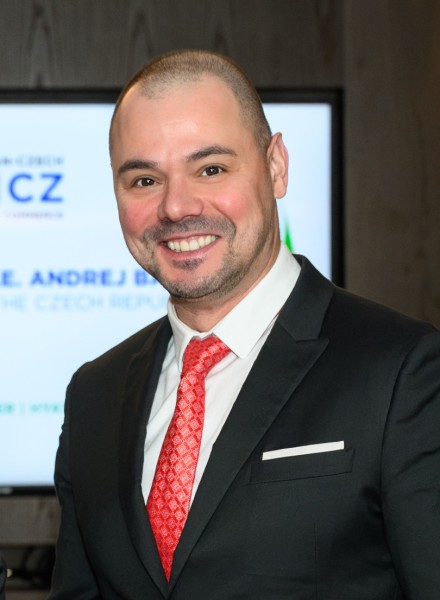
San José, Costa Rica — August 31, 2026 — Forests VC, a natural capital and agricultural asset management firm, has launched a deal-by-deal investment and development platform focused on agricultural and forestry estates, with Finca Raíz de Oro in Guanacaste serving as its flagship Costa Rican development. 

The company officially launched Forests VC on August 27, 2026, presenting its approach alongside a discussion on “Cocobolo: challenges and opportunities behind a threatened species.” The company’s stated objective is to develop agricultural and forestry assets by combining land management, agroforestry, technology, infrastructure and capital. 

Finca Raíz de Oro comprises 184.7 hectares (456.5 acres) in Guanacaste. According to Forests VC’s current project information, the estate has an 85-liter-per-second water concession and a 600,000-liter water reservoir. Its current land-use plan allocates 100 hectares to high-value tropical hardwood agroforestry, 40 hectares to agriculture, 24 hectares to a commercial orchard, and 24.7 hectares to forest reserve, water protection and infrastructure. Forests VC reports that 6 hectares of the planned 24-hectare commercial orchard are currently planted. 

The company describes its development philosophy as “farm renovation”: evaluating agricultural properties not only according to their existing use, but also according to whether complementary productive systems can improve their long-term resilience and economics. 

“Our question extends beyond what the land is worth today,” says Costa Rican businessman and business partner Marco Zúñiga. “It’s what the land could become.” 

Forests VC intends to apply its FINCA Framework to the evaluation and development of suitable properties. The methodology covers acquisition, design, growth, measurement, optimization and the connection of natural assets with capital. 

At Raíz de Oro, the company’s published land-use plan combines commercial agriculture, agroforestry, tropical hardwoods, forest reserve and water-related infrastructure. Forests VC says its approach is designed to evaluate how these components can operate as complementary systems rather than treating the property as a single-use agricultural asset. 

Agronomist Adrián Vargas, Forests VC’s Head of Asset Management, focuses on agricultural systems, irrigation, crop efficiency and logistics. 

“A productive farm is a system,” Vargas says. “What you grow matters, but so do water, efficiency, timing and how you get what you produce to market. Improving those pieces can change the economics of the whole property.” 

Technology is also part of the company’s planned asset-management process. Forests VC says it intends to use remote sensing, ground-level monitoring and digital tools to track forestry, agriculture and property-level changes. 

The company’s investment structure is designed on a deal-by-deal basis rather than through a blind pool. Forests VC’s website states that each estate is placed in its own special-purpose vehicle, with investors subscribing to individual SPVs. The company says its process includes legal, technical, environmental and financial due diligence, internal investment approval, a deal memorandum, syndication and one or more capital closings.  

Forests VC also states that each SPV is subject to separate reporting, with quarterly reporting covering NAV, financials, ESG KPIs and material events, and annual external audits. The firm’s website says investment opportunities are intended for qualified investors, family offices and institutions.  

The launch comes as Costa Rica continues to develop financial and measurement mechanisms for sustainable land use and natural capital. In July 2026, the Food and Agriculture Organization of the United Nations reported that Costa Rica had received 1.1 million TREES Credits for reforestation and forest restoration, describing the development as a milestone for restoration finance and emphasizing the importance of transparent measurement, reporting and verification. 

FAO is also supporting projects in Costa Rica that combine sustainable agriculture with nature-positive practices, including silvopastoral systems, improved grazing, water and soil management, forest and wetland restoration, digital monitoring and improved access to finance.  

“These developments reinforce the importance of building natural assets that can be measured and managed with the same discipline applied to other real assets,” says Ronny Castillo, President and Managing Partner of Forests VC. 

Castillo began his career in conventional finance before moving into regenerative finance and natural capital. Forests VC’s current corporate structure brings together investment, agroforestry, engineering, technology, ESG and legal expertise.  

The company has not publicly disclosed a total investment amount for Finca Raíz de Oro in the materials reviewed for this announcement. Instead, Forests VC describes its model as a property-by-property structure in which capital commitments are made at the individual SPV level. 

For Forests VC, the Raíz de Oro development represents an initial application of its broader approach: identify productive potential, evaluate the underlying natural and physical assets, develop complementary uses where appropriate, measure performance and structure access to capital. 

The company says its longer-term objective is to apply the same framework to additional agricultural and forestry estates. 

About Forests VC 

Forests VC is an asset management firm specializing in agricultural and forestry estates through special-purpose vehicles under a deal-by-deal model. The company combines investment management, agroforestry, agriculture, engineering, technology, ESG and compliance capabilities in the development and management of natural assets. 

Media Contact:

Forests VC
Email: info@forests.vc
Website: https://forests.vc/en
Boulevard Freses,Curridabat, San José, Costa Rica 11802 

DALLAS, Texas — August 25, 2026 — Modern Day Wife will produce What She Said Dallas on Friday, September 18, 2026, at W Dallas, with a program marking the seventh anniversary of shapewear and apparel brand Shapellx.

Scheduled for 2:30 to 8:30 p.m. at 2440 Victory Park Lane, the event will feature panel discussions, moderated conversations, brand presentations, networking sessions and a closing fashion show featuring Shapellx and Jessica Rich.

Modern Day Wife is the event organizer and producer. W Dallas is the venue. Shapellx is the anniversary focus and a participating fashion-show brand, while Jessica Rich is also participating in the fashion show.

The anniversary will provide the framework for conversations examining Shapellx’s development, its approach to brand building and the fashion collection presented during the event. Additional sessions will address beauty, wellness, entrepreneurship, communication, career development and personal branding.

“What She Said Dallas is designed to bring founders, creators and business leaders together for direct conversations about their work and experiences,” said Meghan Fialkoff, co-founder and CEO of Modern Day Wife. “The program will also examine Shapellx’s development through discussions about fashion, confidence and brand building.”

Scheduled Participants

Modern Day Wife has announced the following scheduled participants:

  • Ashley Alexiss, model and influencer
  • Kat Dunn, television personality
  • Lauren Wood, television host
  • D’Andra Simmons, television personality
  • Erica Rose, television personality
  • Bria Jones, content creator
  • Crystal Nicole, beauty, fashion and lifestyle influencer
  • Courtney Williams, lifestyle creator and founder of CNW Family Enterprises
  • Cassandra Britton, keynote speaker and voice and communication coach
  • Emmy Petit, content creator and marketing consultant
  • Marvella Akiojano, influencer

Fialkoff and Shane Shi of Shapellx are scheduled to moderate the concluding conversations. Other announced moderators are Devin Wilmott Johnson of Girls Trip Society, Raven V. Badmus of Décor Elite Magazine and Linda Ayoade of The Posh Savant.

Fialkoff and Shi will lead a fashion-focused conversation about Shapellx’s development and the collection presented at the event. Chelsea Keller of Modern Day Wife will moderate separate conversations with Denton Watumull, MD, and Meridan Zerner of Meridan Zerner Nutrition.

The current agenda, registration information and participant updates are available on the What She Said Dallas event page. Programming and participants may change.

Event Details

  • Event: What She Said Dallas
  • Date: Friday, September 18, 2026
  • Time: 2:30–8:30 p.m.
  • Organizer: Modern Day Wife
  • Venue: W Dallas
  • Address: 2440 Victory Park Lane, Dallas, Texas 75219
  • Anniversary focus: Shapellx
  • Fashion-show brands: Shapellx and Jessica Rich
  • Registration and updates: events.moderndaywife.com/wss-dallas

About Modern Day Wife

Modern Day Wife is a lifestyle and events company producing programs about fashion, beauty, wellness, business, entrepreneurship, family and related topics. Its work includes live events, media projects, influencer partnerships, Modern Day Wife Magazine and Modern Day Wife: The Podcast.

About Shapellx

Shapellx is a shapewear and apparel brand offering shapewear, bras, swimwear, activewear, leggings, waist trainers and related clothing in multiple sizes and support levels.

Media Contact

Meghan Fialkoff
Co-founder and CEO, Modern Day Wife
Meghan@themoderndaywife.com
ModernDayWife.com

HONG KONG — August 30, 2026 — Nadula has published a consumer guide outlining factors shoppers can consider when selecting and caring for a wig, including hair type, cap construction, fit, face shape, texture, length, density, lifestyle and maintenance requirements.

The guide is intended to provide first-time and experienced wig shoppers with a framework for comparing different options and assessing how a wig’s construction, appearance and care requirements may fit their individual routines.

“Choosing a wig involves more than selecting a preferred style,” Nadula said. “Fit, construction, texture, density and maintenance requirements are among the factors shoppers can consider before making a purchase.”

Guide Covers Human Hair and Synthetic Options

The guide explains differences between human hair and synthetic wigs, including considerations related to styling, maintenance and everyday use. Human hair wigs can generally be washed and styled, including with heat tools when appropriate care is taken, while synthetic wigs are generally designed to maintain their intended style with less daily styling.

For shoppers considering a human hair option, the guide recommends evaluating how frequently they expect to wear a wig, the degree of styling flexibility they need and the amount of maintenance they can reasonably incorporate into their routine. Shoppers can also explore Nadula’s human hair wig collection when comparing available options.

Cap Construction and Fit

Cap construction is another consideration addressed in the guide. Lace-front constructions are designed to provide a natural-looking appearance along the front hairline, while full-lace constructions can provide additional styling flexibility. Glueless constructions may use adjustable straps, combs or other features to help secure the wig without adhesive. Shoppers comparing these options can also explore Nadula’s Glueless wigs.

Nadula also recommends measuring head circumference before purchasing so shoppers can compare their measurements with the applicable cap-size information. Proper sizing can help address fit and stability considerations.

Style, Texture, Length and Density

The guide also discusses how texture, length and density can affect a wig’s appearance and styling requirements.

Straight, wavy and curly textures create different visual effects, while shorter and longer styles may involve different styling and maintenance considerations. Density can also influence how full a wig appears.

The guide notes that environmental conditions, including humidity, may affect the appearance and hold of certain textures and styles.

Lifestyle and Maintenance Considerations

Nadula’s guide encourages shoppers to consider their daily activities when comparing wig constructions and styling requirements. Factors such as frequency of wear, climate, physical activity and the amount of time available for styling may influence which characteristics are most practical for an individual.

For human hair wigs, the guide discusses routine care considerations such as washing according to use, selecting suitable hair-care products, detangling with an appropriate comb and storing the wig in a way that helps maintain its shape.

It also addresses the potential effects of frequent heat styling and recommends using appropriate heat protection and following applicable care instructions.

About Nadula

Nadula is a hair company operated by Hong Kong Longqi Limited and was founded in 2001, according to the company’s website. Nadula offers hair products including human hair wigs and glueless wig options.

Media Contact

Nadula / Hong Kong Longqi Limited
Unit 35, 36/F, PCCW Tower, Taikoo Place
979 King’s Road, Quarry Bay
Hong Kong
Email: service@nadula.com
Website: https://www.nadula.com

DALLAS, Texas — August 28, 2026 — Phantom Blade Productions LLC announced that its Ximphonic Versus graphic novel series has surpassed 14,000 physical copies sold, according to the company. The independent publisher also announced plans to continue developing the property for screen adaptation, with work on an anime series trailer scheduled to begin in January 2027.

Ximphonic Versus is a dark-fantasy graphic novel series presented as a melodic opera and incorporates themes involving trauma, anxiety, depression, relationships and loss. According to Phantom Blade Productions, the creative team consulted with licensed psychologist Dr. Jo Angela Johnston regarding the series’ mental-health themes.

The company said the consultation was intended to provide a professional perspective on how psychological and emotional themes are presented in the story. Phantom Blade Productions also emphasized that the graphic novels are works of entertainment and are not intended to replace professional mental-health care.

Readers experiencing mental-health concerns are encouraged to seek advice from qualified healthcare professionals.

Reported Sales Milestone

According to Phantom Blade Productions, Ximphonic Versus has sold more than 14,000 physical copies through its publishing and distribution channels.

The company said the series reached the milestone without relying on Kickstarter, Indiegogo or other crowdfunding platforms. Beginning in January 2027, Phantom Blade Productions plans to distribute the graphic novel series through Universal Distribution, which the company says will expand its availability internationally.

Phantom Blade Productions has also cited coverage of Ximphonic Versus by entertainment and comics media, including MSN, USA News and ScreenRant. The company also reports that the property received an “IP of the Year” award from the ICCA in 2022.

Screen Adaptation in Development

Phantom Blade Productions is also developing Ximphonic Versus for a potential screen adaptation. The company said Massimiliano Cerchi of Lionsgate is attached as director, while series creator Xing Xin is serving as co-director. Oscar Araujo is attached as composer.

Araujo previously composed music for Konami’s Castlevania: Lords of Shadow video game series. Phantom Blade Productions said he is expected to compose music for the Ximphonic Versus adaptation.

The trailer is scheduled to enter production in January 2027. According to the company, storyboard work for the project is being developed in Japan by S. Amatatsu in collaboration with Phantom Blade Productions.

The company said it is targeting Tubi and Amazon Prime Video for the eventual series. Specific release dates and distribution agreements have not been announced.

“Ximphonic Versus focuses on themes of sadness and tragedy as its characters face difficult circumstances and attempt to overcome the challenges ahead,” said S. Xing Xin-B, CEO of Phantom Blade Productions. “The story explores human emotions within a fantasy setting, including love, heartbreak, forgiveness and the struggle between good and evil.”

Independent Publishing Approach

Phantom Blade Productions said it has developed Ximphonic Versus through a direct publishing model rather than crowdfunding.

The company said the approach has enabled it to continue developing the property while building an audience for the graphic novel series. The publisher plans to continue expanding the intellectual property across publishing and screen entertainment.

Additional information about the adaptation and future releases is expected as development progresses.

About Phantom Blade Productions LLC

Phantom Blade Productions LLC is a Dallas, Texas-based entertainment company focused on graphic-novel publishing, animation development and action-figure projects.

Media Contact

Xing Xin-B
Phantom Blade Productions LLC
Email: phantombladeprodllc@gmail.com
Website: www.Ximphonicversus.com

New York, United States — EKOUAER is highlighting its “My Comfort Era” collaboration with actress Vanessa Hudgens as the brand focuses on sleepwear and loungewear for the transition from late summer into early autumn.

Hudgens joined EKOUAER as the brand’s Brand Friend in July as part of the “My Comfort Era” campaign. The campaign centers on clothing designed for everyday comfort and features loungewear, pajamas and other relaxed styles under the message, “Done proving. Ready for real comfort.”

As part of the seasonal campaign focus, EKOUAER is featuring its satin pajama styles for nighttime and at-home wear. The company identifies its classic button-front long-sleeve satin silk pajama set among the styles associated with Hudgens through the collaboration.

EKOUAER describes the featured satin fabric as a polyester and spandex blend. The company positions the styles for lightweight at-home wear and notes that product specifications and fabric composition may vary by individual style.

The collaboration builds on Hudgens’ publicly discussed interest in clothing that combines comfort and versatility. EKOUAER has referenced interviews associated with the partnership in describing the campaign’s emphasis on clothing that can fit different parts of everyday life.

The “My Comfort Era” collection includes nine pieces organized across three edits: “Her Go-To Three,” “One & Done” and “Luxe Lounge.” The collection includes satin and other fabric options intended for different at-home and everyday settings.

For the late-summer-to-early-autumn transition, EKOUAER is emphasizing sleepwear as part of its broader comfort-focused apparel offering. The company presents the pajamas as clothing for relaxation and nighttime use and does not make medical or sleep-performance claims regarding the products.

“Done proving. Ready for real comfort” is the central message of the campaign, connecting Hudgens’ participation with EKOUAER’s focus on comfort-oriented apparel.

The EKOUAER collection is available through the company’s online store and selected retail channels.

About EKOUAER

EKOUAER is a home-lifestyle and apparel brand offering pajamas, loungewear, nightgowns, jumpsuits and related comfort-focused clothing. The company’s current brand positioning emphasizes everyday comfort and versatile styles for at-home and casual wear.

Media Contact

EKOUAER
Dana Li
pr@EKOUAER.com
EKOUAER Official Website

ALBANY, N.Y. — August 28, 2026 — WhitsonLaw, PLLC has published its 2026 New York Complex-Asset Divorce Planning Checklist, an educational resource addressing financial records and legal questions that may arise when a marital estate includes business interests, executive compensation, real estate, trusts, inherited property, retirement benefits, investments, or substantial debt.

The checklist is available through the WhitsonLaw website. Journalists may request a media copy, supporting sources, or an interview with managing attorney Debra A. Whitson.

Checklist Focus

The publication organizes planning considerations into five areas:

  • Identifying assets, liabilities, income sources, and ownership records
  • Evaluating whether property may be marital, separate, or commingled
  • Reviewing valuation methods, liquidity, debt, and future income
  • Identifying potential tax and retirement-plan issues
  • Coordinating legal, accounting, valuation, and financial analysis while considering privacy

It also lists records that may help establish a financial baseline, including tax returns, account statements, compensation agreements, business and trust documents, property records, retirement-plan information, loan documents, and marital agreements.

“An account balance or valuation does not necessarily show when an asset can generate cash, what obligations accompany it, or which tax issues may need review,” Whitson said. “The checklist is designed to help readers identify those questions early and organize the records needed for professional analysis.”

Primary Legal Sources

New York applies equitable distribution when allocating marital property. New York Domestic Relations Law Section 236 identifies factors courts may consider; it does not require an automatic equal division in every matter.

Classification and valuation questions may require added analysis when separate and marital funds have been combined, compensation becomes available over time, a closely held company lacks a ready market, or real estate is subject to financing obligations.

Retirement benefits can involve plan-specific requirements and federal tax rules. The checklist therefore directs readers to Internal Revenue Service guidance on retirement plans and divorce in addition to the New York statute.

The publication does not present survey findings, report statewide filing trends, predict legal outcomes, or replace advice based on individual circumstances.

About WhitsonLaw, PLLC 

WhitsonLaw is a New York matrimonial and family-law firm serving clients in person and virtually. The firm handles divorce, child custody, child support, family offense matters, mediation, collaborative divorce, adoption, separation agreements, grandparents’ rights, and prenuptial agreements.

Media Contact

For the checklist, source links, interviews, or on-record commentary:

WhitsonLaw, PLLC
Email: info@whitsonlawfirm.com
Phone: (518) 412-4111 or (518) 652-1504
Website: whitsonlawfirm.com

Attorney Advertising. This release and the checklist provide general information only. They do not constitute legal advice or establish an attorney-client relationship. Prior results do not guarantee a similar outcome.

NEW YORK, NY — August 27, 2026 — Belffin, a leader in adaptable home furnishings, today announced the official expansion of its modular sectional furniture line, engineered specifically to address the evolving demands of contemporary multi-use residential spaces. Recent internal design data and consumer use-studies indicate that modern living rooms increasingly function as dynamic home offices, multi-generational gathering hubs, and relaxation areas, driving a definitive shift away from rigid, wall-aligned furniture toward flexible configurations.

Belffin Tesso Modular Sectional Sofa

Belffin Plume Pull-out Storage Sofa

cozy family seating

Thara Upgraded Cloud Sofa

Belffin Sonnio Pull-out Sectional Sofa

As homeowners prioritize maximizing square footage and improving interior layout aesthetics, Belffin’s updated modular seating collection introduces low-profile frames, light-colored performance fabrics, and integrated storage options designed to optimize spatial efficiency.

According to product development data, the new configurations serve three primary architectural layouts:

  • Compact Urban Apartments:Utilizing unified modular seating instead of multiple individual chairs reduces visual clutter, supported by built-in ottomans that replace bulky coffee tables.
  • Multifunctional Home Offices:Strategic sectional placement naturally delineates work and rest zones within dual-purpose daytime rooms, while convertible components support seamless guest accommodation.
  • Open-Concept Architectures:In large, open-plan properties, the modular layouts provide subtle room divisions between kitchen, dining, and living zones without obstructing peripheral walking paths or architectural flow.

“The demand for adaptable home furnishings reflects a broader lifestyle shift toward multi-use spaces,” said Sarah Jenkins, Lead Product Designer at Belffin. “Our new modular furniture systems allow homeowners to easily reconfigure their living areas to support everything from daily family activities to hosting guests, without sacrificing design integrity or spatial flow.”

The updated Belffin modular sectional collection is available immediately through the official Belffin website and authorized retail partners. For full product specifications, layout guides, and pricing details, visit https://belffin.com.

Media Contact: Belffin Communications Team

Website: https://belffin.com
Email: service@belffin.com
Product Collection: https://belffin.com/collections/modular-sectional-sofa

NEW YORK, NY — Public interest law fellowships can give early-career attorneys supervised experience across multiple areas of civil legal practice while helping legal aid organizations address the varied needs of low-income communities. One Southern Nevada fellowship illustrates how a structured rotational model can combine broad practice exposure with continued legal-aid service.

Millions of Americans experience civil legal problems without receiving adequate legal assistance. The Legal Services Corporation’s 2022 Justice Gap Study reported that low-income Americans received no or insufficient help for 92% of their substantial civil legal problems. The findings underscore the continuing demand for civil legal services and the importance of developing attorneys prepared to serve clients with complex and overlapping legal needs.

Rotational fellowships provide structured legal-aid experience

A rotating public interest law fellowship is a fixed-term position in which an early-career attorney works in multiple civil legal practice areas under supervision. Unlike ordinary case variety, a rotational fellowship deliberately assigns a fellow to defined projects or units for planned periods.

The structure typically combines orientation, supervised client work, increasing responsibility, and transitions between projects. Fellowship terms vary, and post-fellowship employment is not guaranteed across programs.

Rotations can expose attorneys to different clients, procedures, remedies, and forms of advocacy while allowing host organizations to assess where a fellow’s skills may be most effective.

Different practice areas address different community needs

Legal-aid organizations serve clients facing a wide range of civil legal problems. A rotational fellowship can expose an attorney to several of those areas.

Child advocacy may involve representing children in foster care, addressing permanency questions, advocating for stable placements, and working to keep siblings together. The work can require trauma-informed communication and coordination with caseworkers and courts.

Family justice may include assisting survivors of domestic violence with protective orders and related family-law matters. Safety planning, careful interviewing, and preparation for hearings can be important components of the representation.

Housing advocacy can involve eviction defense, habitability disputes, rental-assistance issues, negotiation, and rapid review of documents. Housing matters frequently operate on short timelines, requiring attorneys to assess urgent legal issues quickly.

Consumer advocacy may address debt collection, deceptive business practices, and financial exploitation. Attorneys review records, determine applicable legal protections, and identify potential remedies.

Guardianship advocacy focuses on protecting the rights and autonomy of older adults and people with disabilities. Attorneys may consider a client’s preferences and less restrictive alternatives when addressing guardianship proceedings.

These areas can intersect. A housing dispute, for example, can affect family stability, while financial exploitation can threaten an older adult’s housing. A rotating attorney may not handle every connected legal issue but can learn to identify related concerns and make appropriate referrals.

Skills developed through supervised rotations

Working across practice areas can help fellows develop skills that transfer between civil legal matters, including:

  • Client interviewing and communication with clients experiencing fear, trauma, disability, or other barriers.
  • Case assessment and identification of urgent or legally actionable issues.
  • Legal research and drafting across different types of proceedings.
  • Negotiation focused on the client’s goals and circumstances.
  • Courtroom preparation and advocacy.
  • Case management and coordination with attorneys, courts, agencies, and other professionals.
  • Supervision and feedback from attorneys with different areas of subject-matter expertise.

The rotational approach also has limitations. A placement lasting only several months in each practice area may provide breadth but cannot necessarily provide the depth of specialization that an attorney develops by concentrating on one field over a longer period.

Paul Padda Law’s Community Justice Fellowship

One Southern Nevada program applies the rotational model through the Community Justice Fellowship, sponsored by Paul Padda Law Community Justice Fellowship and hosted by the Legal Aid Center of Southern Nevada (LACSN).

According to the program information provided by the organizations, the fellowship lasts one year and is intended for recent law graduates, outgoing judicial law clerks, and attorneys with fewer than three years of postgraduate experience.

The fellow rotates through four Legal Aid Center projects:

  • Children’s Attorneys Project
  • Family Justice Project
  • Consumer Rights and Housing Justice Project
  • Guardianship Advocacy Project

The program information states that the fellow participates in client interviews and case processing through final resolution. It also states that the fellow receives a full-time Legal Aid Center position after completing the fellowship.

Those terms are specific to the Community Justice Fellowship and should not be treated as standard features of public interest law fellowships generally.

The sponsorship arrangement also distinguishes the program from fellowships funded entirely by a host organization or external fellowship provider. Paul Padda Law provides sponsorship for the fellowship year, while LACSN serves as the host organization.

Choosing between broad and specialized fellowship experience

There is no universal model for early-career public interest attorneys. A broad legal-aid rotation may be appropriate for an attorney who wants exposure to different client populations and practice areas. A specialized fellowship may be more appropriate for someone who has already established a particular practice goal.

Key considerations include:

Decision factor

Broad legal-aid rotation

Specialized fellowship

Practice exposure

Experience across multiple placements

Concentrated experience in a selected practice

Skill development

Broad litigation and case-handling skills

Deeper subject-matter expertise

Career clarity

Useful when interests remain open

Useful when a career direction is established

Supervision

Feedback from multiple teams

Consistent guidance within a specialty

Professional development

Exposure to varied legal work

Focused mentorship and technical development

Main trade-off

Less time to develop depth in each area

Less exposure outside the specialty

Prospective fellows should review the actual terms of a program rather than relying solely on the description of its rotation model. Important questions include the length of each placement, the level of direct client contact, supervision arrangements, caseload expectations, training, compensation, benefits, bar-related support, and what happens when the fellowship ends.

Fellowship selectivity varies by program

There is no single acceptance rate for public interest fellowships because programs differ substantially in size, funding, geographic scope, practice area, and applicant pool.

National fellowships may attract significant competition, while regional legal-aid organizations may consider factors such as clinical experience, commitment to public interest work, community ties, and language ability alongside academic credentials.

Attorneys pursuing public interest careers may find opportunities with nonprofit legal services organizations, public defender offices, government agencies, civil rights organizations, policy organizations, and law school clinics.

Applicants evaluating law schools for public interest careers can also review clinical opportunities, summer public-interest funding, postgraduate fellowship support, public-interest career advising, and loan-repayment assistance. Applicants should consult official school disclosures and American Bar Association materials when comparing institutions.

The Law School Admission Council provides general information about the LSAT, while individual law schools determine their own scholarship policies. Applicants should therefore avoid assuming that a particular LSAT score guarantees a scholarship or a particular level of financial aid.

Equal Justice Works reports that 85% of its fellows remain in public service after completing their fellowships. That figure applies to the Equal Justice Works fellowship population and should not be interpreted as a universal outcome for all public interest law fellows.

Questions prospective fellows should ask

Before accepting a fellowship, candidates should obtain key terms in writing and ask:

  • How much direct client contact will the fellow have?
  • Which projects or units are included in the rotation?
  • How long will the fellow spend in each placement?
  • Who will supervise the fellow in each rotation?
  • Will cases remain with the fellow when a rotation ends, or will they be transferred?
  • What training and bar-related support are provided?
  • What are the salary, benefits, and other compensation terms?
  • What happens when the fellowship term concludes?
  • Is post-fellowship employment available, and if so, under what terms?
  • How does the organization evaluate client service and professional development?

A clearly defined rotational structure can provide early-career attorneys with broad exposure to civil legal practice while allowing legal-aid organizations to develop attorneys who can recognize the connections among clients’ legal problems.

The Community Justice Fellowship sponsored by Paul Padda Law and hosted by LACSN provides one example of this approach. Its specific rotation schedule, sponsorship arrangement, and stated post-fellowship employment opportunity should be evaluated as features of that individual program rather than as universal characteristics of public interest law fellowships.

About the Community Justice Fellowship

The Community Justice Fellowship is a one-year public interest fellowship sponsored by Paul Padda Law and hosted by the Legal Aid Center of Southern Nevada. The program provides rotational experience across four Legal Aid Center projects and is designed for early-career attorneys interested in public interest legal practice.

Media Contact

Abram Khan
Paul Padda Law
Email: abram@paulpaddalaw.com

Multi-year agreement combines Dominica-based Asprofin Bank’s regulated private banking framework with Digital Technology’s fintech platform to scale cross-border payments and digital asset settlement.

ROSEAU, Dominica — August 28, 2026 — Asprofin Bank Corporation today announced a multi-year Banking-as-a-Service (BaaS) partnership with financial technology firm Digital Technology. The collaboration integrates Asprofin’s regulated private banking infrastructure with Digital Technology’s software platform to expand multi-currency banking, global payments, and digital asset settlement capabilities for international clients (asprofinbank.org).

Under the agreement announced in July 2026, Digital Technology will connect directly with Asprofin Bank’s core systems to support account creation, multi-currency wallets, foreign exchange, and international transactions. Representatives from both organizations project the partnership will drive approximately $5 billion in annualized transaction volume within its first twelve months of full implementation. Financial terms of the agreement were not disclosed.

“This partnership represents a critical step in bridging conventional private banking with modern digital financial infrastructure,” said Wang Xin, spokesperson for Asprofin Bank Corporation. “By combining our regulatory framework with advanced fintech solutions, we are equipped to meet the growing global demand for secure, high-volume cross-border payments and multi-currency asset management.”

Founded in 2013 and headquartered in Roseau, Dominica, Asprofin Bank operates under the jurisdiction of the Financial Services Unit of the Commonwealth of Dominica. The bank provides private banking, corporate financing, wealth management, and digital asset custody. The newly expanded infrastructure incorporates advanced customer verification, transaction monitoring, and automated anti-money-laundering (AML) protocols to ensure compliance across multiple international jurisdictions.

The integration arrives as Caribbean financial institutions increasingly adopt technology-driven models to streamline cross-border settlement, digital asset custody, and institutional compliance. Asprofin’s broader technology strategy also connects traditional financial services with emerging data and cloud infrastructure to support the evolving demands of the global digital economy.

For more information regarding Asprofin Bank Corporation’s institutional services and digital banking infrastructure, visit Asprofin Bank Corporation.

About Asprofin Bank Corporation Asprofin Bank Corporation is a private banking institution headquartered in Roseau, Dominica. Founded in 2013, the bank provides private banking, corporate banking, institutional financing, wealth management, multi-currency accounts, and digital asset-related services for international clients. The bank operates under Dominica’s offshore banking framework and is supervised by the Financial Services Unit of the Commonwealth of Dominica.

Media Contact: 

Asprofin Bank Corporation
Wang Xin
Email: clients@asprofinbank.org | wxin@asprofinbank.org

FLOWER MOUND, Texas — August 28, 2026 — Whole-body cryotherapy is gaining attention among high-end wellness, athletic recovery and longevity communities as consumers increasingly explore alternatives to traditional ice-bath routines. The trend is also creating growing demand for the industrial infrastructure required to operate nitrogen-cooled cryotherapy chambers.

Ice baths have moved from a niche recovery practice into mainstream fitness culture, helped in part by figures such as Wim Hof and Andrew Huberman and by the growing availability of consumer ice-bath systems. Among affluent longevity enthusiasts, however, more advanced cold-exposure technologies are attracting attention.

One of the most prominent examples is whole-body cryotherapy, which uses extremely cold nitrogen vapor for short-duration sessions.

What the Longevity Community Is Exploring

Bryan Johnson’s Blueprint protocol, which he has documented publicly at blueprint.bryanjohnson.com, includes hyperbaric oxygen chambers, red light therapy panels, plasma exchange procedures, supplements and other interventions. His total annual spending on longevity interventions has been reported by Time and Axios at around $2 million.

In February 2026, Johnson launched Bryan Johnson’s Immortals, a program inviting participants to pursue a version of his longevity-focused regimen.

Johnson is one of the most visible figures associated with the broader longevity movement. Technology investors and entrepreneurs including Jeff Bezos, Peter Thiel, Larry Ellison and Sam Altman have also been associated with investments in biotechnology and longevity research.

Cryotherapy chambers are among the technologies being explored within the broader wellness and recovery market. Other interventions include hyperbaric oxygen chambers, IV therapies and emerging cellular and regenerative approaches.

Why Cryotherapy Is Attracting Attention

The basic concept behind cryotherapy is relatively straightforward. Ice baths typically expose the body to cold water for approximately 10 to 20 minutes, while whole-body cryotherapy chambers expose the body to nitrogen vapor at extremely low temperatures for approximately two to three minutes.

The two approaches deliver cold differently. During an ice bath, the body loses heat through direct contact with cold water. In a cryotherapy chamber, cooling occurs through exposure to cold nitrogen vapor, with the skin remaining dry.

The brief exposure primarily affects the body’s peripheral tissues while core body temperature remains comparatively stable. Cold exposure can trigger vasoconstriction, temporarily reducing blood flow to the skin and extremities. Blood flow then returns as the body begins to warm following the session.

Researchers have investigated a range of physiological responses associated with cold exposure, including inflammatory markers, stress responses and recovery-related effects. Some users also report perceived improvements in sleep, alertness and mental clarity.

What the Science Shows

Research into whole-body cryotherapy remains an evolving field, and the evidence does not support all of the broader claims sometimes associated with longevity marketing.

A 2017 review published in Frontiers in Physiology identified potential benefits associated with cryotherapy for athletic recovery, particularly when used repeatedly. A 2020 randomized study involving elite athletes reported changes in inflammatory markers following a seven-day cryotherapy protocol. Research published in Biology in 2025 also reported changes in antioxidant enzyme activity following repeated cryotherapy sessions.

However, evidence that whole-body cryotherapy extends human lifespan remains limited. The treatment has not been established as a longevity therapy, and research organizations and medical institutions have continued to characterize the evidence as developing.

For athletes and individuals interested in recovery following intensive physical activity, cryotherapy may have a more clearly defined use case. Claims involving disease prevention or significant life-extension should be viewed more cautiously until additional evidence becomes available.

Growing Interest in Home Cryotherapy

The expanding market has also contributed to interest in home cryotherapy installations.

Professional-grade nitrogen-cooled chambers can represent a significant investment, with installation costs potentially ranging from approximately $50,000 to $200,000 depending on the equipment, facility and infrastructure requirements. Home systems also require ongoing access to liquid nitrogen.

High-end fitness and wellness facilities in markets such as Los Angeles, Miami and Austin have increasingly incorporated cryotherapy into their offerings. Some affluent consumers have also installed equipment in private gyms and residential wellness spaces.

For most consumers, studio-based sessions remain substantially less expensive than purchasing and maintaining a private chamber. Home installations primarily appeal to users seeking convenience, privacy and frequent access.

The Industrial Supply Chain Behind Cryotherapy

Behind every nitrogen-cooled cryotherapy chamber is an industrial gas supply chain.

Liquid nitrogen is stored and transported in specialized insulated containers capable of maintaining extremely low temperatures. Commercial cryotherapy facilities can require substantial quantities of liquid nitrogen depending on chamber type, operating schedule and daily session volume.

As cryotherapy studios expand across major U.S. markets, reliable industrial gas distribution has become an important part of the industry’s operating infrastructure.

Regional distributors such as Southwest Gases, which supplies liquid nitrogen for cryotherapy studios and wellness operators across Dallas, Houston, Austin, San Antonio, and Fort Worth, have built dedicated hospitality and wellness supply chains around this market segment. The infrastructure underneath the wellness trend has become an actual business category.

What Consumers Should Know

Cryotherapy is no longer limited to professional athletes or high-end private facilities. Cryotherapy studios now operate in many major U.S. markets, with companies such as Restore Hyper Wellness, iCRYO and CryoUSA offering sessions to consumers.

Prices vary by provider and location, with individual sessions commonly marketed in the $60-to-$90 range and memberships available at higher monthly rates.

Consumers considering cryotherapy should look for facilities that use appropriate equipment, provide trained supervision and maintain safety procedures, including adequate ventilation and oxygen monitoring where required.

People with cardiovascular or circulatory conditions or other medical concerns should consult a qualified healthcare professional before beginning a cold-exposure program.

Ice Baths Remain an Accessible Alternative

Despite growing interest in cryotherapy, traditional ice baths remain a lower-cost option for people interested in cold exposure.

For consumers who already have an ice-bath routine and find it useful, there is no established evidence that they need to replace it with whole-body cryotherapy. The two approaches differ in temperature, exposure time and method of cooling.

Cryotherapy may represent a more specialized option for people seeking supervised, short-duration cold exposure, while ice baths remain considerably more accessible.

The broader longevity market continues to evolve, but current research does not establish cryotherapy as a method of extending human lifespan. For now, its strongest potential applications remain associated with recovery and other short-term physiological responses rather than proven longevity benefits.

About Southwest Gases

Southwest Gases is a Texas-based industrial gas distributor headquartered in Flower Mound, serving commercial customers across Dallas, Houston, Austin, San Antonio and Fort Worth. The company supplies helium, nitrogen, oxygen, argon, CO2, propane and specialty gases, along with welding equipment and safety supplies.

Southwest Gases has developed a diversified, multi-source supply chain designed to support customer service during industry disruptions.

For more information, visit https://southwestgases.com/helium-supplier-texas/.

Media Contact

Rudy De La Fuente
Principal, Southwest Gases
Phone: 214-432-6583
Email: sales@southwestgases.com
Website: https://southwestgases.com