Dubai, The United Arab Emirates, October 19th, 2026, FinanceWire
B2BROKER has announced that B2CORE, its all-in-one CRM and back-office solution for the financial services industry, is now available for purchase through AWS Marketplace. The listing gives AWS customers a faster, more streamlined way to procure and deploy B2CORE within their existing cloud environment.
Through AWS Marketplace, brokers, exchanges, and financial institutions with an existing agreement with AWS can now apply this purchase toward their AWS spend commitment, simplifying procurement while consolidating vendor management under a single, familiar billing relationship.
B2CORE brings together onboarding, KYC, multi-currency wallets, and risk management with access to B2BROKER’s proprietary B2TRADER Spot & CFD platform, MT4, MT5, cTrader, and institutional platforms including OneZero, PrimeXM, B2CONNECT, and Centroid. The solution also integrates PSP connections, liquidity provider support, AI-driven analytics, and automation tools, giving brokers the infrastructure they need to compete in a fast-moving financial market.
Built on AWS using Kubernetes and a microservices architecture, B2CORE is designed to scale automatically as client workloads grow, with automated monitoring systems running 24/7. All data is stored and accessible only within AWS infrastructure, protected by multiple security layers and full audit logging.
“I believe that being listed on AWS Marketplace is an important step for B2CORE. It reflects the reliability and scalability our clients expect, and it gives AWS customers a simpler path to bring B2CORE into their technology stack,” says Arthur Azizov, Founder and CEO at B2BROKER.
Availability through AWS Marketplace reflects the trust financial institutions place in AWS infrastructure and reinforces B2CORE’s position as an enterprise-grade platform. Customers can find, evaluate, and purchase B2CORE directly through their AWS account, with billing consolidated into their existing AWS invoice.
About B2CORE
B2COREis the flagship SaaS product developed by B2BROKER. It is an all-in-one CRM and back office for brokers, exchanges, and financial institutions. Along with onboarding tools, KYC, multi-currency wallets and risk management, B2CORE provides access to MT4, MT5, cTrader, as well as B2BROKER’s in-house B2TRADER Spot & CFD platform. Payment Service Provider (PSP) integrations, liquidity provider support, AI analytics, and automation tools help brokers stay competitive in a rapidly changing financial market.
Dubai, The United Arab Emirates, October 19th, 2026, FinanceWire
B2BROKER has announced that B2CORE, its all-in-one CRM and back-office solution for the financial services industry, is now available for purchase through AWS Marketplace. The listing gives AWS customers a faster, more streamlined way to procure and deploy B2CORE within their existing cloud environment.
Through AWS Marketplace, brokers, exchanges, and financial institutions with an existing agreement with AWS can now apply this purchase toward their AWS spend commitment, simplifying procurement while consolidating vendor management under a single, familiar billing relationship.
B2CORE brings together onboarding, KYC, multi-currency wallets, and risk management with access to B2BROKER’s proprietary B2TRADER Spot & CFD platform, MT4, MT5, cTrader, and institutional platforms including OneZero, PrimeXM, B2CONNECT, and Centroid. The solution also integrates PSP connections, liquidity provider support, AI-driven analytics, and automation tools, giving brokers the infrastructure they need to compete in a fast-moving financial market.
Built on AWS using Kubernetes and a microservices architecture, B2CORE is designed to scale automatically as client workloads grow, with automated monitoring systems running 24/7. All data is stored and accessible only within AWS infrastructure, protected by multiple security layers and full audit logging.
“I believe that being listed on AWS Marketplace is an important step for B2CORE. It reflects the reliability and scalability our clients expect, and it gives AWS customers a simpler path to bring B2CORE into their technology stack,” says Arthur Azizov, Founder and CEO at B2BROKER.
Availability through AWS Marketplace reflects the trust financial institutions place in AWS infrastructure and reinforces B2CORE’s position as an enterprise-grade platform. Customers can find, evaluate, and purchase B2CORE directly through their AWS account, with billing consolidated into their existing AWS invoice.
About B2CORE
B2COREis the flagship SaaS product developed by B2BROKER. It is an all-in-one CRM and back office for brokers, exchanges, and financial institutions. Along with onboarding tools, KYC, multi-currency wallets and risk management, B2CORE provides access to MT4, MT5, cTrader, as well as B2BROKER’s in-house B2TRADER Spot & CFD platform. Payment Service Provider (PSP) integrations, liquidity provider support, AI analytics, and automation tools help brokers stay competitive in a rapidly changing financial market.
Vancouver, Canada, October 19th, 2026, FinanceWire
Payop, a global payment service provider (PSP), has introduced its redesigned checkout, bringing the company’s new visual identity directly into the payment experience.
Brighter, joyful and more expressive than the neutral interfaces typical for the payment industry, the new design reflects the direction Payop is taking as a company. Instead of following established industry standards, the PSP creates its products around what actually works for people.
A Different Take On Payment Design
Payment interfaces are traditionally kept neutral and minimal. The logic behind it is that when money is involved, clarity and trust come first. But who said they have to be colourless?
In the new Payop checkout, colours are part of the experience. They logically highlight actions, communicate payment statuses, and draw attention to anything that requires data input. This makes the interface easier to read at a glance and helps you instinctively understand what to do next.
“There were two main goals behind this update. First, we wanted to use colour more purposefully. In payments, colour typically shows whether something went right or wrong. We saw an opportunity to introduce it earlier in the journey, helping customers navigate payment options, understand their choices and find the right method more easily.
Second, we wanted to make checkout feel less tedious. Going through multiple payment options can quickly become repetitive and mentally tiring. Clearer visual differences make the interface easier to scan and the whole process feel lighter and more intuitive. We want people to spend less effort figuring out how to pay and simply get on with their purchase,” said Anastasiia Semenkova, CEO of Payop.
Card Payments Return To Payop
Alongside the redesign, Payop has also brought card payments back to its checkout.
Merchants can now offer cards together with local and alternative payment methods available through Payop, giving customers more choice.
This gives more flexibility for different markets and audiences. Customers can choose the option they are most comfortable with, while merchants can combine widely used card payments with methods tailored to local payment habits. All within the same integration.
These changes are a logical continuation of the global rebranding Payop launched at the end of last year. The new identity reflects the company’s focus on making its products more joyful, more human and closer to the gamers and shoppers who use it.
About Payop
Payop is a global payment service provider that helps gaming businesses accept payments worldwide. From game developers and publishers to digital marketplaces and in-game service providers, the company helps merchants reach players in more than 170 countries through a broad portfolio of local and international payment methods.
By making payments faster, more familiar, and better adapted to local markets, Payop helps businesses create checkout experiences that allow players to pay and play without delay.
Vancouver, Canada, October 19th, 2026, FinanceWire
Payop, a global payment service provider (PSP), has introduced its redesigned checkout, bringing the company’s new visual identity directly into the payment experience.
Brighter, joyful and more expressive than the neutral interfaces typical for the payment industry, the new design reflects the direction Payop is taking as a company. Instead of following established industry standards, the PSP creates its products around what actually works for people.
A Different Take On Payment Design
Payment interfaces are traditionally kept neutral and minimal. The logic behind it is that when money is involved, clarity and trust come first. But who said they have to be colourless?
In the new Payop checkout, colours are part of the experience. They logically highlight actions, communicate payment statuses, and draw attention to anything that requires data input. This makes the interface easier to read at a glance and helps you instinctively understand what to do next.
“There were two main goals behind this update. First, we wanted to use colour more purposefully. In payments, colour typically shows whether something went right or wrong. We saw an opportunity to introduce it earlier in the journey, helping customers navigate payment options, understand their choices and find the right method more easily.
Second, we wanted to make checkout feel less tedious. Going through multiple payment options can quickly become repetitive and mentally tiring. Clearer visual differences make the interface easier to scan and the whole process feel lighter and more intuitive. We want people to spend less effort figuring out how to pay and simply get on with their purchase,” said Anastasiia Semenkova, CEO of Payop.
Card Payments Return To Payop
Alongside the redesign, Payop has also brought card payments back to its checkout.
Merchants can now offer cards together with local and alternative payment methods available through Payop, giving customers more choice.
This gives more flexibility for different markets and audiences. Customers can choose the option they are most comfortable with, while merchants can combine widely used card payments with methods tailored to local payment habits. All within the same integration.
These changes are a logical continuation of the global rebranding Payop launched at the end of last year. The new identity reflects the company’s focus on making its products more joyful, more human and closer to the gamers and shoppers who use it.
About Payop
Payop is a global payment service provider that helps gaming businesses accept payments worldwide. From game developers and publishers to digital marketplaces and in-game service providers, the company helps merchants reach players in more than 170 countries through a broad portfolio of local and international payment methods.
By making payments faster, more familiar, and better adapted to local markets, Payop helps businesses create checkout experiences that allow players to pay and play without delay.
Bay Shore, NY – October 19, 2026 – Garcia Tree Removal Service in Bay Shore, New York, has passed 150 customer reviews on Google. The milestone reflects years of local work, and the company invites more public feedback from Long Island residents.
Reaching 150 reviews is a notable result for a tree care company operating locally. Most homeowners need tree work only a few times in a decade. Each review therefore comes from a separate property project, hardly a repeat visit. A large body of public feedback gives prospective customers more experiences to weigh. Residents comparing local providers can read about different jobs, from small trims to full removals.
Garcia Tree Removal Service approaches customer relationships through clear communication and careful project planning. The owner walks each property and explains the recommended work before any cutting starts. Homeowners can ask questions and learn what to expect on the day of service. Clear expectations also shape how a customer remembers the experience. The company treats each property as its own case, since no two yards share the same concerns. Strong relationships last when customers feel informed from the first call to the final walkthrough.
Bay Shore and nearby Long Island communities present varied tree care needs. Red maple, pin oak, white oak, eastern white pine, sweetgum, and American holly all grow in the area. Each species reacts to wind, salt air, and wet soil in its own way. Tree condition, storm exposure, size, and distance from structures all shape the care decision. A large oak near a roof calls for a different plan than a sweetgum by a fence. An arborist and an experienced crew use local knowledge to shape recommendations for each property.
Property owners can visit the Garcia Tree Removal Service Google Business Profile to read the 150-plus reviews. Bay Shore homeowners and nearby residents can call the company with questions about tree care, trimming, or removal. They can also request a free, no-obligation estimate for any tree, stump, or storm concern.
About Garcia Tree Removal Service
Garcia Tree Removal Service operates from Bay Shore, New York, as an owner-operated company. The licensed and insured team offers tree removal, trimming, stump grinding, and emergency service around the clock. Service areas include Brentwood, Central Islip, Sayville, Oakdale, Shirley, and Port Jefferson.
The Catalyst Ebene, Mauritius, October 19th, 2026, FinanceWire
Inveslo has announced a website facelift, aligning its refreshed identity with a more practical website experience. The update supports Inveslo’s broader objective of providing users with a more seamless trading experience, from accessing information and exploring services to preparing for a trade. The refreshed website brings simpler navigation, clearer access to key information, and practical planning resources into Inveslo’s digital presence.
The redesigned website provides a clearer route to account information, trading services, and educational content. A dedicated trading tools section further supports this experience, allowing users to review important trade parameters as they explore the broker’s offering.
The Trading Calculator brings margin requirements, pip values, potential profit or loss, and position sizing into one interface. For individual calculations, the Pip Calculator estimates pip value in the account’s base currency, while the Margin Calculator estimates required margin based on the instrument, position size, currency, and leverage. The Profit Calculator helps users assess potential outcomes using entry and exit prices.
Complementing these resources, the World Clock displays local times and indicative forex sessions across Sydney, Tokyo, London, and New York. Automatic daylight saving adjustments help users follow session timings and overlaps.
Commenting on the facelift, David Johnson, UBO (Ultimate Beneficial Owner) at Inveslo, said:
“A broker’s website shapes how clients understand and access its services. With this facelift, we have made Inveslo easier to navigate and added trading tools to help traders calculate key values and plan their positions more conveniently. Our focus is to make the overall digital experience more seamless, so clients can move from finding information to preparing for a trade with greater clarity and convenience.”
About Inveslo
Inveslo is a multi-asset broker headquartered in Mauritius, serving clients across more than 150 countries. Its offering includes trading platforms, account options, educational resources, Inveslo Copy Trading, and volume-based cashback rewards on eligible trading activity.
Contact
PR & Coordinator Team Inveslo Inveslo marketing@inveslo.com
The Catalyst Ebene, Mauritius, October 19th, 2026, FinanceWire
Inveslo has announced a website facelift, aligning its refreshed identity with a more practical website experience. The update supports Inveslo’s broader objective of providing users with a more seamless trading experience, from accessing information and exploring services to preparing for a trade. The refreshed website brings simpler navigation, clearer access to key information, and practical planning resources into Inveslo’s digital presence.
The redesigned website provides a clearer route to account information, trading services, and educational content. A dedicated trading tools section further supports this experience, allowing users to review important trade parameters as they explore the broker’s offering.
The Trading Calculator brings margin requirements, pip values, potential profit or loss, and position sizing into one interface. For individual calculations, the Pip Calculator estimates pip value in the account’s base currency, while the Margin Calculator estimates required margin based on the instrument, position size, currency, and leverage. The Profit Calculator helps users assess potential outcomes using entry and exit prices.
Complementing these resources, the World Clock displays local times and indicative forex sessions across Sydney, Tokyo, London, and New York. Automatic daylight saving adjustments help users follow session timings and overlaps.
Commenting on the facelift, David Johnson, UBO (Ultimate Beneficial Owner) at Inveslo, said:
“A broker’s website shapes how clients understand and access its services. With this facelift, we have made Inveslo easier to navigate and added trading tools to help traders calculate key values and plan their positions more conveniently. Our focus is to make the overall digital experience more seamless, so clients can move from finding information to preparing for a trade with greater clarity and convenience.”
About Inveslo
Inveslo is a multi-asset broker headquartered in Mauritius, serving clients across more than 150 countries. Its offering includes trading platforms, account options, educational resources, Inveslo Copy Trading, and volume-based cashback rewards on eligible trading activity.
Contact
PR & Coordinator Team Inveslo Inveslo marketing@inveslo.com
Antiguo Cuscatlan, El Salvador, October 19th, 2026, FinanceWire
The company will present its white label payment platform software in Hall 6 (B2B) at Stand H6-6057, Fiera Roma, 2–5 November
B2BINPAY, a provider of cryptocurrency payments software, will exhibit at SiGMA World 2026, held 2–5 November in Rome, Italy. The company will present its White Label Platform in Hall 6 at Stand H6-6057. B2BINPAY is also the Main Sponsor of the Nexus Elite Golf Tour, the executive golf day that opens the event week on 2 November.
SiGMA World 2026 is expected to welcome more than 30,000 delegates and over 1,200 sponsors and exhibitors, with nearly half of attendees holding C-level roles. Four events share the venue: SiGMA (gaming), AIBC (AI, blockchain and emerging technology), FX World (financial markets and fintech) and the Affiliate Grand Slam (affiliate marketing).
The Payment Core Behind Your Business
At Stand H6-6057, the B2BINPAY team will meet platform providers, payment companies, brokers, fintechs, and technology partners interested in launching a digital asset payment offering under their own brand.
The B2BINPAY Solution combines:
White label platform: a business’s own payment offering, powered by B2BINPAY infrastructure;
Branded interface: a customisable customer-facing experience under the client’s brand;
Blockchain wallets: ready-to-use wallet infrastructure for 50+ digital currencies;
Real-time conversion: conversion between any supported assets, processed within seconds;
Security controls: multiple operational controls to secure platform management, aligned with ISO 27001;
API & integrations: connectivity to the client’s existing business and technology stack.
Visitors can see live demonstrations of the platform throughout the expo days.
Main Sponsor of the SiGMA Nexus Elite Golf Tour
On 2 November, B2BINPAY will host senior executives as Main Sponsor of the SiGMA Nexus Elite Golf Tour at the Marco Simone Golf and Country Club, venue of the 2023 Ryder Cup, the first edition of the tournament held in Italy.
The invitation-only tour is part of SiGMA’s executive networking programme, which brings C-level conversations onto the golf course alongside SiGMA’s flagship summits. The Rome edition is open to SiGMA World Platinum ticket holders with previous golfing experience. Guests will play 18 holes across almost 100 hectares of Roman countryside. The day includes breakfast, lunch and prizes, with the Marco Simone castle, an ancient Roman villa and views of St Peter’s Dome along the course.
Alex Ryzhkin, Chief Commercial Officer of B2BINPAY, said: More businesses want a digital asset payment product with their own name on it, and few of them want to spend years building the infrastructure underneath. That’s the gap our white label solution fills: their brand, our infrastructure. SiGMA World puts the companies facing that decision in one place for four days, and the golf day gives us something rarer: a few unhurried hours with the people who make it.
Attendees can schedule meetings with the B2BINPAY team ahead of the event via LinkedIn or visit Stand H6-6057 during expo hours.
About B2BINPAY
B2BINPAY develops white label payments software that enables businesses to launch their own digital asset payment offering under their own brand. The B2BINPAY White Label Platform includes a customisable branded interface, ready-to-use blockchain wallet infrastructure for 50+ digital currencies, real-time conversion between supported assets, ISO 27001-aligned security controls, and APIs for integration with existing business and technology stacks.
Disclaimer
This material is not directed at, and does not constitute marketing, an offer or a solicitation of any regulated service to, persons in US/EU/EEA/UAE. Service availability, licensing and product scope depend on jurisdiction and applicable regulatory requirements. B2B only; onboarding is subject to KYB verification. For more information, please see our Legal Information and Disclaimers, Terms of Use and Privacy Policy which can be found at our website https://b2binpay.com
Contact
Chief Commercial Officer Alex Ryzhkin B2BINPAY.com sales@b2binpay.com
Antiguo Cuscatlan, El Salvador, October 19th, 2026, FinanceWire
The company will present its white label payment platform software in Hall 6 (B2B) at Stand H6-6057, Fiera Roma, 2–5 November
B2BINPAY, a provider of cryptocurrency payments software, will exhibit at SiGMA World 2026, held 2–5 November in Rome, Italy. The company will present its White Label Platform in Hall 6 at Stand H6-6057. B2BINPAY is also the Main Sponsor of the Nexus Elite Golf Tour, the executive golf day that opens the event week on 2 November.
SiGMA World 2026 is expected to welcome more than 30,000 delegates and over 1,200 sponsors and exhibitors, with nearly half of attendees holding C-level roles. Four events share the venue: SiGMA (gaming), AIBC (AI, blockchain and emerging technology), FX World (financial markets and fintech) and the Affiliate Grand Slam (affiliate marketing).
The Payment Core Behind Your Business
At Stand H6-6057, the B2BINPAY team will meet platform providers, payment companies, brokers, fintechs, and technology partners interested in launching a digital asset payment offering under their own brand.
The B2BINPAY Solution combines:
White label platform: a business’s own payment offering, powered by B2BINPAY infrastructure;
Branded interface: a customisable customer-facing experience under the client’s brand;
Blockchain wallets: ready-to-use wallet infrastructure for 50+ digital currencies;
Real-time conversion: conversion between any supported assets, processed within seconds;
Security controls: multiple operational controls to secure platform management, aligned with ISO 27001;
API & integrations: connectivity to the client’s existing business and technology stack.
Visitors can see live demonstrations of the platform throughout the expo days.
Main Sponsor of the SiGMA Nexus Elite Golf Tour
On 2 November, B2BINPAY will host senior executives as Main Sponsor of the SiGMA Nexus Elite Golf Tour at the Marco Simone Golf and Country Club, venue of the 2023 Ryder Cup, the first edition of the tournament held in Italy.
The invitation-only tour is part of SiGMA’s executive networking programme, which brings C-level conversations onto the golf course alongside SiGMA’s flagship summits. The Rome edition is open to SiGMA World Platinum ticket holders with previous golfing experience. Guests will play 18 holes across almost 100 hectares of Roman countryside. The day includes breakfast, lunch and prizes, with the Marco Simone castle, an ancient Roman villa and views of St Peter’s Dome along the course.
Alex Ryzhkin, Chief Commercial Officer of B2BINPAY, said: More businesses want a digital asset payment product with their own name on it, and few of them want to spend years building the infrastructure underneath. That’s the gap our white label solution fills: their brand, our infrastructure. SiGMA World puts the companies facing that decision in one place for four days, and the golf day gives us something rarer: a few unhurried hours with the people who make it.
Attendees can schedule meetings with the B2BINPAY team ahead of the event via LinkedIn or visit Stand H6-6057 during expo hours.
About B2BINPAY
B2BINPAY develops white label payments software that enables businesses to launch their own digital asset payment offering under their own brand. The B2BINPAY White Label Platform includes a customisable branded interface, ready-to-use blockchain wallet infrastructure for 50+ digital currencies, real-time conversion between supported assets, ISO 27001-aligned security controls, and APIs for integration with existing business and technology stacks.
Disclaimer
This material is not directed at, and does not constitute marketing, an offer or a solicitation of any regulated service to, persons in US/EU/EEA/UAE. Service availability, licensing and product scope depend on jurisdiction and applicable regulatory requirements. B2B only; onboarding is subject to KYB verification. For more information, please see our Legal Information and Disclaimers, Terms of Use and Privacy Policy which can be found at our website https://b2binpay.com
Contact
Chief Commercial Officer Alex Ryzhkin B2BINPAY.com sales@b2binpay.com
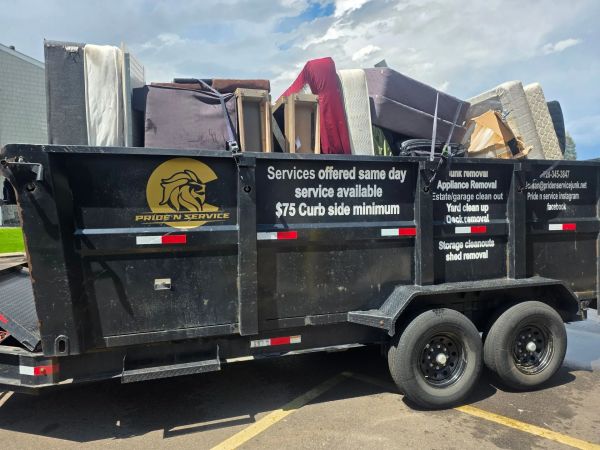
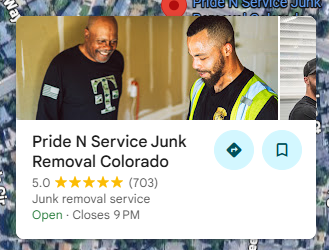
Pride N Service Junk Removal Colorado provides convenient and professional junk removal services in Aurora, Colorado, helping homeowners and businesses clear unwanted furniture, appliances, yard debris, household clutter, and other accumulated items. Whether you’re preparing for a move, renovating your property, cleaning out a garage, or managing a large property cleanout, the company helps simplify the process through efficient removal, loading, and hauling services. With a focus on customer convenience, clear communication, and responsible disposal practices, Pride N Service Junk Removal helps property owners reclaim valuable space and maintain cleaner, more organized environments. For reliable junk removal in Aurora, CO, contact Pride N Service Junk Removal at +1 720-345-3847 to discuss your cleanup needs and arrange a service appointment.
Aurora, Colorado, United States, 19th Oct 2026 – When unwanted furniture, appliances, yard debris, or household clutter starts taking over your property, professional junk removal can make the process much easier. Removing bulky or accumulated items is not always practical with a personal vehicle, and improper disposal can create additional work, safety concerns, and environmental problems. That is where a reliable local service can help.
Pride N Service Junk Removal Colorado provides convenient removal solutions for property owners who want to clear unwanted items without handling the heavy lifting themselves. Serving Aurora, Colorado, the company focuses on making cleanup straightforward, efficient, and less stressful. Whether you are preparing for a move, clearing a garage, renovating a property, or simply reclaiming usable space, understanding what to expect from a professional removal company can help you make a confident decision.
Why Professional Removal Services Matter
Professional junk removal is about more than simply taking unwanted items away. Large, heavy, or awkward objects can be difficult to move safely, particularly when they must be carried through narrow hallways, down stairs, or across uneven outdoor areas. Attempting to handle everything alone may also require multiple trips and access to a suitable vehicle.
A professional crew can simplify the process by handling the physical work and transporting items for appropriate disposal, recycling, or donation when possible. This approach can save property owners time while reducing the inconvenience associated with sorting, loading, and hauling. For homeowners and businesses in Aurora, having a dependable local service means cleanup can become a manageable project rather than an exhausting weekend task.
Common Junk Removal Needs
People often consider professional removal when their property reaches a point where unwanted belongings interfere with everyday use. A garage may become crowded with old furniture, boxes, appliances, or miscellaneous household items. After moving, downsizing, remodeling, or cleaning out an inherited property, the volume of unwanted materials can quickly become more than one person can reasonably manage.
Outdoor cleanup is another common reason to arrange professional hauling. Yard waste, discarded materials, and other accumulated items can make a property look neglected and reduce available space. Businesses may also need help clearing unwanted office furnishings, equipment, or other nonessential items after a renovation or relocation.
Having a professional service available allows property owners to address these situations efficiently. Instead of leaving unwanted materials sitting around for weeks, customers can arrange a convenient pickup and move forward with a cleaner, more organized property.
How a Professional Junk Removal Service Works
The process generally begins with an assessment of what needs to be removed. Customers can identify the items they want cleared, explain where those items are located, and discuss access conditions with the service provider. Clear communication at this stage helps the crew understand the scope of the project and prepare appropriately.
Once the details are confirmed, the crew can handle the physical removal and loading. This is especially useful when items are bulky, heavy, or difficult to maneuver. Rather than making repeated trips to a disposal facility, the customer can leave the transportation and hauling work to the professionals.
After loading, materials can be directed toward the most appropriate disposal option based on their condition and type. Reusable belongings may have opportunities for donation, while suitable materials can potentially be recycled. Responsible handling helps reduce unnecessary waste and makes the overall cleanup process more practical for property owners.
Choosing the Right Removal Company
Choosing a removal company should involve more than selecting the first provider that appears in a search. Customers should look for a business that clearly communicates its service area, removal process, contact information, and expectations. A professional company should also make it easy for customers to understand what will happen from pickup through final hauling.
Local experience can be particularly valuable. A company serving Aurora and surrounding Colorado communities can provide a more convenient option for customers who prefer working with a nearby service provider. Responsiveness, professionalism, clear communication, and dependable scheduling can all contribute to a better customer experience.
It is also helpful to consider how the company approaches disposal. Responsible removal should focus on getting unwanted materials off the property while considering whether items can be reused, donated, recycled, or otherwise handled appropriately. These factors can help customers choose a provider based on value and service quality rather than price alone.
Benefits of Professional Junk Removal
Removing accumulated items can make a property feel more spacious, functional, and manageable. A cleared garage can provide room for vehicles, tools, storage, or hobbies, while a cleaner yard can create a more usable outdoor area. Inside the home, eliminating unnecessary furniture and belongings can make rooms easier to organize and maintain.
A cleaner environment can also make property projects easier to complete. Homeowners preparing for renovations, staging a property for sale, or moving into a new home may benefit from removing items that are no longer needed. Businesses can similarly create a more organized workspace by clearing outdated furnishings, equipment, and miscellaneous materials.
The benefits are not limited to appearance. Reducing clutter can make it easier to access important areas, complete maintenance tasks, and use available space effectively. Professional removal gives property owners a practical way to make these improvements without spending their own time transporting every unwanted item.
Junk Removal for Moving, Renovations, and Cleanouts
Major transitions often create more unwanted material than expected. During a move, people frequently discover furniture, appliances, boxes, and household belongings that no longer fit their needs. Removing these items before moving day can reduce the amount that has to be packed, transported, and organized at the next property.
Renovation projects can create another challenging cleanup stage. Old fixtures, damaged furnishings, and other unwanted materials may accumulate while work is underway. Keeping these items in one place can consume valuable space and make the project harder to manage. A scheduled pickup can help keep the work area more organized.
Property cleanouts can also benefit from professional removal services. Whether the project involves a garage, basement, rental property, or general household cleanup, having a crew handle the loading and transportation can reduce physical demands. This allows property owners to focus on sorting decisions and the next stage of their project instead of spending hours hauling materials.
Responsible Disposal and Local Service
A strong removal service should consider what happens to items after they leave the customer’s property. Not everything that is unwanted is necessarily useless. Furniture, household goods, appliances, and other belongings may still have value depending on their condition. When practical, reusable materials can be directed toward donation or reuse instead of immediately becoming landfill waste.
Recycling can also play an important role in responsible cleanup. Certain materials can be processed and used again, helping reduce the amount of recoverable material that enters disposal streams. Proper handling is particularly important when customers are dealing with a large volume of items and may not have the time or resources to determine the best destination for each one.
For local customers, working with a nearby provider can make responsible cleanup more convenient. Pride N Service Junk Removal Colorado aims to give Aurora property owners a straightforward way to clear unwanted items while keeping the process organized, practical, and focused on customer needs.
Preparing for a Smooth Junk Removal Appointment
A little preparation can make a removal appointment more efficient. Before the crew arrives, customers should identify the items that need to go and separate them from belongings they intend to keep. Creating a clear path to the items can also help reduce delays, especially when furniture or other bulky materials must be carried through a home or business.
Customers should also communicate important access details in advance. Information about stairs, narrow entrances, gates, parking limitations, or items located outdoors can help the service provider understand the job more accurately. Clear expectations can reduce surprises and help the appointment run smoothly.
Once the unwanted items are identified and access is prepared, the customer can let the crew handle the heavy lifting and hauling. This is one of the main advantages of using a professional service: the property owner does not have to coordinate a vehicle, load everything independently, and make multiple disposal trips. A well-prepared appointment can turn a difficult cleanup into a much simpler experience.
Conclusion
Choosing professional junk removal can make property cleanouts, moves, renovations, and everyday decluttering considerably easier. The right provider can handle the lifting, loading, and transportation while helping customers reclaim valuable space and reduce the time required to manage unwanted belongings. Local service, clear communication, responsible disposal practices, and dependable scheduling are important factors when deciding which company to trust.
For homeowners and businesses in Aurora, Pride N Service Junk Removal Colorado offers a convenient local option for clearing unwanted items. If you are ready to create a cleaner, more organized property, contact Pride N Service Junk Removal Colorado at +17203453847 to discuss your removal needs and arrange service in Aurora, CO.
 The B2BINPAY Solution combines: