Hilo, Hawaii, 21st October 2026, ZEX PR WIRE, Big Island Oral Surgery is strengthening its focus on modern dental implant treatment, including All-on-X dental implants and full arch tooth replacement, giving patients across Hawaii’s Big Island access to advanced options for rebuilding their smiles. Led by owner and board-certified oral surgeon Dr. Benjamin Rotwein, the Hilo practice provides specialized surgical care for patients dealing with extensive tooth loss, failing teeth, and other complex oral health needs.

The practice’s expanded focus on implant reconstruction comes as more patients look beyond traditional removable dentures for stable tooth replacement. Big Island Oral Surgery offers a range of implant treatments, allowing patients to receive care based on their individual dental condition, available bone, and long-term treatment goals.

Expanding Access to Full Arch Implant Treatment

For patients who have lost most or all of their teeth, replacing individual teeth one at a time may not always be the most practical approach. Full arch implant treatment provides another option by using dental implants to support an entire arch of replacement teeth.

Big Island Oral Surgery provides full arch dental implants and All-on-X treatment for appropriate candidates. These procedures can replace an entire upper or lower arch while giving the replacement teeth a secure foundation.

The approach can be particularly valuable for patients who are tired of dealing with loose or uncomfortable removable dentures. Implant-supported teeth remain anchored in place, helping patients eat, speak, and go about their daily routines with greater stability.

Treatment suitability varies from patient to patient, which is why the practice begins with a detailed evaluation before recommending a specific implant solution.

Understanding All-on-X Dental Implants

All-on-X dental implants use a strategically planned number of implants to support a full arch of replacement teeth. The technique allows an entire arch to be reconstructed without requiring an individual implant for every missing tooth.

For patients with extensive tooth loss, this can offer a practical path toward comprehensive tooth replacement. The treatment can also provide greater stability than traditional removable dentures because the restoration attaches to dental implants rather than resting solely on the gums.

At Big Island Oral Surgery, treatment planning considers the patient’s existing teeth, jawbone condition, oral health, and desired outcome. Dr. Benjamin Rotwein uses this information to determine whether All-on-X or another form of implant treatment represents the appropriate option.

A Comprehensive Approach to Dental Implant Reconstruction

Dental implant treatment often involves more than placing the implant itself. Patients with significant tooth loss may also have reduced jawbone volume, particularly in areas where teeth have been missing for an extended period.

Big Island Oral Surgery provides bone grafting when additional bone support is necessary for implant treatment. Bone grafting can rebuild areas of the jaw and create a stronger foundation for future dental implants.

This comprehensive approach allows the practice to consider the complete treatment picture rather than focusing on implant placement alone. Patients can understand how each procedure fits into the overall plan and why a particular step may be recommended.

Board-Certified Oral Surgeon Dr. Benjamin Rotwein Leads Treatment

As the owner of Big Island Oral Surgery, Dr. Benjamin Rotwein brings specialized surgical training to the practice’s implant and oral surgery services. As a board-certified oral surgeon, he treats patients who require advanced surgical care for dental implants, tooth loss, wisdom teeth, bone loss, and other oral health concerns.

Dr. Benjamin Rotwein places considerable importance on careful treatment planning and patient communication. Before proceeding with surgery, he discusses the patient’s condition, available options, and expected treatment process.

His background in dentistry and oral and maxillofacial surgery provides a broad foundation for assessing both the surgical and restorative aspects of complex dental cases.

Fixed Implant Dentures and Dental Implant Tooth Replacement

All-on-X treatment is one part of the implant solutions available through Big Island Oral Surgery. The practice also provides fixed implant dentures and other forms of implant- supported tooth replacement.

Fixed implant dentures offer patients a secure restoration supported by dental implants. This can make a significant difference for people who have struggled with conventional dentures that move while eating or speaking.

Patients with fewer missing teeth may instead benefit from individual dental implants. Big Island Oral Surgery evaluates each case independently and develops a treatment plan around the number of teeth being replaced, the condition of the jaw, and the patient’s broader oral health.

Supporting Patients Through the Surgical Process

Choosing dental implant treatment represents a significant decision, particularly for patients considering full mouth or full arch reconstruction. Big Island Oral Surgery focuses on making the process easier to understand from the beginning.

During consultations, patients have the opportunity to discuss their concerns and ask questions about the recommended procedure. The practice explains the stages of treatment and provides guidance about preparation and recovery.

Clear communication continues after surgery. Patients receive instructions designed to help them manage recovery and understand the care required following their procedure.

Oral Surgery Beyond Dental Implants

Although implant dentistry represents a major area of focus, Big Island Oral Surgery continues to provide a broad range of oral surgery services.

Wisdom teeth removal remains an important part of the practice. Impacted wisdom teeth can cause pain, infection, crowding, or damage to neighboring teeth, making evaluation and timely treatment important for many patients.

The practice also performs surgical extractions and bone grafting procedures as part of its comprehensive oral surgery care. These services allow patients to address different surgical needs through a practice focused specifically on oral and maxillofacial treatment.

Working With Referring Dental Professionals

Big Island Oral Surgery recognizes the important role that referring dentists play in comprehensive patient care. The practice works alongside dental professionals when patients require specialized surgical treatment as part of a broader dental plan.

Communication between providers helps maintain continuity of care. Surgical findings and treatment information can be shared with the appropriate dental team so patients can continue receiving the restorative and preventive care they need.

This collaborative approach remains an important part of Big Island Oral Surgery’s role within the local dental community.

Serving Patients Across Hawaii’s Big Island

Located in Hilo, Big Island Oral Surgery serves patients from communities throughout Hawaii’s Big Island who need specialized oral surgery and dental implant care.

The practice’s focus on All-on-X dental implants, full arch reconstruction, fixed implant dentures, bone grafting, and other implant procedures gives patients access to a range of options for addressing significant tooth loss.

Under the leadership of board-certified oral surgeon Dr. Benjamin Rotwein, Big Island Oral Surgery continues to build its services around careful surgical planning, modern treatment options, and individualized patient care.

As the practice expands its emphasis on advanced implant reconstruction, its goal remains straightforward: to help patients understand their treatment options and provide specialized surgical care designed around their individual needs.

About Big Island Oral Surgery

Big Island Oral Surgery is an oral and maxillofacial surgery practice based in Hilo, Hawaii.

Owned by board-certified oral surgeon Dr. Benjamin Rotwein, the practice provides dental implant tooth replacement, All-on-X dental implants, full arch dental implants, fixed implant dentures, bone grafting, wisdom teeth removal, surgical extractions, and other specialized oral surgery services. Big Island Oral Surgery works with patients and referring dental professionals to provide personalized surgical treatment for a range of oral health needs.

The company combines dedicated management teams, specialized expertise, and purpose-built technology to help condominium, co-op, and homeowners association communities operate more efficiently and plan confidently for the future.

New York City, NY, 21st October 2026, ZEX PR WIRE, Daisy is advancing a more organized, accountable, and people-focused approach to residential property management by bringing experienced professionals, specialized teams, and purpose-built technology together to support the everyday needs of residential communities. Serving condominiums, cooperatives, and homeowners associations, the company manages the day-to-day responsibilities of running a community while helping volunteer boards make informed decisions about its operations, finances, maintenance, and long-term priorities.

Residential property management involves far more than maintaining buildings. Boards oversee budgets, maintenance, compliance, and future capital improvements, while Daisy coordinates vendors, responds to residents, and manages repairs. These responsibilities can become difficult to balance when information is scattered across emails, records are difficult to access, or managers lack the time and specialist support needed to address complex issues. Daisy’s approach brings these responsibilities into a more coordinated management framework, giving boards a capable partner to help move decisions forward while keeping them informed and involved.

Each community has a dedicated property manager backed by specialists in finance, compliance, insurance, projects, facilities, and resident support. Its operating technology helps connect communication, financial information, tasks, approvals, deadlines, and projects, creating greater visibility into the work required to manage a community. By organizing information and responsibilities, Daisy enables its management professionals to focus more attention on problem-solving, practical guidance, and follow-through.

Daisy’s central philosophy is that technology should strengthen human service rather than replace it. The company aims to make residential management easier for boards, more responsive for residents, and more organized for the professionals and onsite teams responsible for keeping communities running.

Daisy Connects Specialized Expertise With More Organized Building Operations

Daisy’s approach begins with the understanding that every residential community has distinct needs, priorities, and operational challenges. Some properties require extensive onsite coordination and capital project support, while others need dependable financial administration, responsive resident service, and professional oversight. Rather than assuming that every community requires the same management model, Daisy works to align its services with each property’s circumstances and level of complexity.

Each community has a dedicated property manager who understands its priorities and ongoing responsibilities. The manager is backed by specialized teams that contribute expertise when a particular issue requires additional attention. This structure helps connect the day-to-day knowledge of a community with the broader professional support needed to manage its financial, operational, and administrative requirements.

Daisy’s services cover daily operations and maintenance, financial management, budgeting, vendor coordination, capital projects, compliance and risk management, resident support, board guidance, and transition management. These functions work together to help communities address immediate needs while maintaining a clearer view of their longer-term responsibilities.

Daily operations may include coordinating repairs, managing vendors, supporting onsite staff, conducting property walkthroughs, and following work through to completion. Effective coordination helps ensure that responsibilities are understood and that maintenance concerns receive appropriate attention. By organizing requests and tracking tasks, Daisy aims to provide a more consistent approach to the work involved in maintaining residential properties.

Technology supports this model by keeping essential information and activities connected. Tasks, communication, financial records, approvals, projects, and deadlines can be organized within the company’s operating system, reducing dependence on scattered email threads and individual memory. This structure helps management professionals maintain visibility into outstanding responsibilities and supports more informed communication with boards and residents.

Daisy helps boards understand what needs attention, weigh their options and make informed decisions. Boards can focus on governing, while Daisy handles the day-to-day work and sees their decisions through.

By combining an accountable property manager with specialist support and organized operating systems, Daisy seeks to make property management more coordinated and responsive. The objective is to help communities receive the attention their properties require without placing the entire burden of day-to-day oversight on volunteer board members.

Daisy Supports Financial Planning, Capital Projects, and Long-Term Community Stability

Financial oversight is central to the responsible management of shared residential assets. Boards review their community’s financial position, approve budgets, and consider future reserve requirements. Daisy prepares budgets and financial reports, monitors expenses, collects payments, and pays bills. These responsibilities call for accurate information, consistent processes, and guidance that helps board members connect immediate decisions with long-term property needs.

Daisy’s financial management services are designed to support these responsibilities through organized administration and financial reporting. The company helps communities develop budgets, monitor expenses, and plan for future requirements, enabling boards to approach financial decisions with a clearer understanding of their obligations and priorities.

Capital projects present another important responsibility for residential communities. Major repairs, building improvements, and other significant projects can require detailed planning, competitive proposals, coordination among professionals and contractors, budget monitoring, and ongoing communication. Daisy supports capital project management by helping define project scopes, gather proposals, coordinate the work involved, monitor budgets, and keep projects moving.

Proactive planning is equally important when managing compliance, insurance, maintenance schedules, and other recurring obligations. Missing a deadline or delaying necessary action can create avoidable complications for a community. Daisy’s compliance and risk management support includes tracking deadlines, coordinating required inspections and filings, assisting with insurance matters, and helping communities prepare for important dates.

The company’s approach emphasizes looking ahead rather than concentrating solely on the latest request or urgent problem. By helping boards consider maintenance needs, insurance renewals, compliance requirements, reserve planning, and major projects, Daisy aims to support more deliberate decisions about the future of their properties.

Transition management is also part of Daisy’s service offering. When a community moves into a new management arrangement, records, accounts, vendors, staff responsibilities, open projects, and ongoing commitments need to be organized. A coordinated transition can help the community establish continuity and move forward with a clearer understanding of its responsibilities.

Across these functions, Daisy seeks to provide more than administrative assistance. Its management model connects financial and operational information with professional guidance, helping boards understand what has changed, what requires attention, and what actions may be appropriate. This combination supports a more structured approach to managing shared assets and planning for the community’s evolving needs.

Daisy Puts Residents, Board Support, and Community Well-Being First

Daisy’s approach to property management is grounded in the belief that residential communities deserve attentive people, organized operations, and a management partner that treats their success as a shared responsibility. Buildings are places where people live, raise families, build relationships, and establish their daily routines. The quality of their management can influence how residents experience their homes and how confidently communities address shared challenges.

Resident support is therefore an important part of Daisy’s service model. The company helps residents ask questions, organize maintenance requests, receive updates, make payments, and stay connected with their communities. Providing a straightforward way to interact with management can make everyday processes easier and help residents understand how their concerns are being handled.

Daisy also recognizes the work undertaken by volunteer board members. Board service can require substantial time and attention, particularly when members must balance community responsibilities with their personal and professional commitments. By coordinating operational work, organizing information, providing recommendations, and following through on decisions, Daisy aims to help boards focus on governance and priorities rather than repeatedly chasing updates or managing disconnected administrative tasks.

The company’s model also supports onsite staff and vendors, whose work is essential to the day-to-day functioning of a residential property. Clear responsibilities, coordinated communication, and appropriate management support can help these teams address maintenance needs and complete work more effectively. Daisy brings these relationships into its broader operating framework to help communities maintain continuity and improve coordination.

Daisy serves condominium, co-op, and HOA communities across a range of sizes and operational needs throughout the greater New York City region, including New York City, nearby New Jersey, and Westchester County. Its services can be shaped around the requirements of each community, whether that involves hands-on management, regular board meetings, onsite coordination, extensive project support, or a more focused combination of financial management and professional oversight.

Through this approach, Daisy aims to create a better everyday experience for the people who live in the communities it manages and the board members responsible for their future. Its combination of dedicated property managers, specialized expertise, and purpose-built technology is intended to make responsibilities clearer, improve operational visibility, and support more proactive decision-making.

Daisy continues to advance a model of residential property management that brings professional accountability and human care together. By organizing the work behind building operations and giving boards access to guidance and specialist support, the company seeks to help communities protect their properties, manage their responsibilities, and create a stronger foundation for the people who call those buildings home.

About Daisy

Daisy is a full-service residential property management company serving condominiums, cooperatives, and homeowners associations. The company combines dedicated property managers, specialized teams, and purpose-built technology to support daily operations, financial management, budgeting, maintenance, vendor coordination, compliance, insurance, capital projects, resident communication, and long-term planning. Daisy helps boards make informed decisions while coordinating the work required to keep communities operating effectively. Its mission is to make life easier for residents and board members through attentive service, organized operations, and a more accountable approach to property management.

Contact Information

Daisy Residential Property Management 385 5th Avenue

New York, NY 10016

Website: https://www.joindaisy.com/

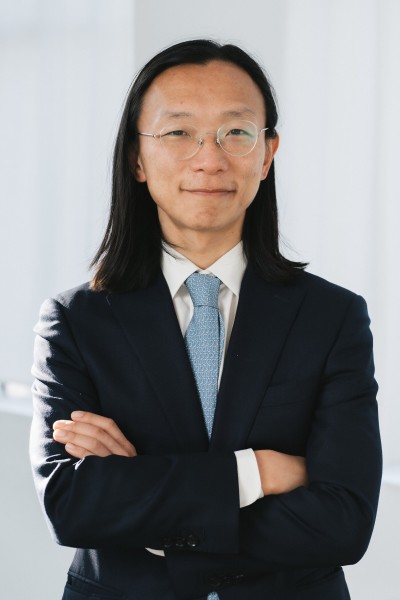
New York commercial litigator Angus Ni represents Chinese individuals and companies in U.S. federal and state courts, drawing on Mandarin fluency and experience in securities litigation, international arbitration, and cross-border legal matters.

United States, 24th Oct 2026 – Commercial litigator Angus Ni, co-founding partner at Morrow Ni LLP, represents Chinese individuals and companies in complex commercial matters before U.S. federal and state courts. Operating under the Moni Law brand and based in New York, the firm combines commercial litigation experience with Mandarin-language communication. This allows clients to discuss their matters directly with counsel who handles the legal proceedings in English.

Angus Ni Represents Chinese Clients in U.S. Commercial Litigation

Before co-founding the firm, Angus Ni practiced at Bernstein Litowitz Berger & Grossman LLP, where he represented hedge fund and pension fund investors in securities litigation across multiple industries and U.S. jurisdictions. At Debevoise & Plimpton LLP, he participated in complex arbitrations before the International Chamber of Commerce and ICSID Tribunals, as well as international corporate matters. That background informs his work at Moni Law on transnational commercial matters.

The firm’s practice extends across U.S. federal and state courts, including the Southern and Eastern Districts of New York. Its commercial litigation counsel for Chinese businesses addresses matters involving cross-border transactions, securities, and commercial agreements. Mandarin fluency supports direct communication about the records, procedural requirements, and legal issues involved in those proceedings. His federal trial experience also includes pro bono representation.

Angus Ni holds a J.D. with honors from the University of Chicago Law School and a B.A. with High Distinction from the University of Toronto. He also participates in New York’s Chinese-American legal community, including organizations such as the Asian American Bar Association of New York and the Chinese American Lawyers Forum.

About Angus Ni

Angus Ni is co-founding partner of Morrow Ni LLP, a New York litigation firm operating under the Moni Law brand. Fluent in Mandarin, he represents individuals and companies in complex commercial matters involving U.S. and international legal systems. His experience includes securities litigation, international arbitration before the ICC and ICSID Tribunals, federal trial work, and cross-border commercial litigation. Additional information about his credentials and case experience is available through Angus Ni’s practice profile at Moni Law.

Media Contact

Organization: Angus Ni

Contact Person: Angus Ni

Website: http://angusni.com/

Email: Send Email

Country: United States

Release id: 50150

View source version on King Newswire:
Angus Ni Represents Chinese Clients in U.S. Commercial Litigation

file

Palmetto, Florida, United States, 24th Oct 2026 – Paris Fashion Week has come to an end, leaving behind another busy season of runway shows, presentations and events that brought designers and fashion professionals from around the world to the French capital.

On September 30, Maison de l’Amérique Latine in Paris hosted a large international fashion program, bringing together designers from Latin America, Europe, Asia and the Middle East.
One of the main highlights of the day was the first collaboration between 12|11 PRO and Fashion Designers of Latin America (FDLA), founded by Albania Rosario. The two organizations joined forces to bring Latin American designers to Paris and create a major international runway presentation during Fashion Week.

For FDLA, which has spent years supporting designers and promoting Latin American fashion internationally, this marked an important new chapter: its first collective runway presentation in Paris.

The FDLA program featured five designers and brands: Michelle Espinoza, Jesús de la Garsa, Ivanildo Nunes, Valverde and Urban Palais.

The collaboration was part of a larger day of fashion presentations organized by 12|11 PRO at Maison de l’Amérique Latine.

The international lineup also included Diana Caramaci from Romania, Run The Way and RAIS from Russia, SADF from Saudi Arabia, Meruert Balmanova from Kazakhstan, and Nguyen Phuc Tuan from Vietnam, who presented his collection Numéro 6: Vũ khúc Cố đô.

Bringing together designers from different countries on one runway was one of the main ideas behind the project. It offered participants an opportunity to present their work in Paris, meet international fashion professionals and introduce their brands to new audiences.

Behind the Runway

While a fashion show may last only a few minutes, organizing an entire day of presentations requires months of preparation and a large team working behind the scenes.
More than 200 professionals were involved in the September 30 production, including models, casting and beauty teams, producers, showrunners, technical staff, backstage coordinators and volunteers.

Casting Director Mariia Anosova was responsible for model selection and casting coordination, working closely with the production team to organize the lineup across the different runway presentations.

The beauty direction was managed by Cristina Cuellar, together with the team from Instituto Cristina Cuellar, who handled makeup and hair for the participating designers.
Producers Valentina Varnavskaia and Ruslan Evseev coordinated the overall production, working with designers, backstage teams and technical departments to bring the entire program together.

An important role was also played by Ilyssa Wexler Zacchei and Fashion for Futures, whose volunteer team supported backstage operations, model coordination and communication between departments throughout the day.

For a production involving so many designers and participants, the work of these teams was essential to keeping the schedule and the shows running.

An International Collaboration

The partnership with Fashion Designers of Latin America was an important part of the project.

Founded by Albania Rosario, FDLA has developed an international platform supporting both emerging and established designers, particularly from Latin America.
Over the years, the organization has created opportunities for designers to present their collections, connect with industry professionals and reach international audiences, with New York serving as one of its main fashion destinations.

Its first collective presentation in Paris, produced in collaboration with 12|11 PRO, marked another step in expanding those opportunities.

Fashion and Contemporary Art in Dialogue: Curated by Anna Sashina

Bringing together fashion and contemporary art in the context of Paris Fashion Week, an exhibition curated by Anna Sashina will feature three creative voices: artist Mirco Piccioli, artist and writer Elen Sharafullina, and photographer Komiljon Pattaev. Through collage, video, literature, and documentary photography, the project will explore cultural memory, beauty, and the role of visual imagery in contemporary life.

Anna Sashina is an art curator whose exhibitions during Paris Fashion Week explore the relationship between contemporary art and high fashion. Her curatorial vision positions both disciplines as forms of self-expression, creativity, and cultural commentary. Bringing together artists with diverse backgrounds and perspectives, she creates a space for ideas to move across disciplines. This exhibition reflects her commitment to connecting individual artistic voices through a shared dialogue between fashion and art. 

Mirco Piccioli is an artist working at the intersection of collage, video, and luxury fashion imagery. Drawing on image fragments, glamour, and cultural memory, he creates layered compositions that evoke attraction, unease, and curiosity. His practice examines what lies beneath the polished surface of fashion: desire, power, femininity, and the psychology of looking. Within the project, he approaches fashion as a space for artistic inquiry, revealing its fantasies and contradictions. @mirco.piccioli   

Elen Sharafullina is a contemporary artist and writer based in France whose work brings together art, cultural traditions, and a contemporary vision of elegance. On 30 September 2026 in Paris, she will present her new book, Advent Calendar: Its Origins and History. The book traces this Christmas tradition from its historical roots and symbolism to its place in contemporary culture, art, and design. She is also the author of Etiquette on Board: A Guide for Yacht Owners and Guests, dedicated to yachting culture, international etiquette, and the art of gracious living.
Komiljon Pattaev is a photographer who explores everyday life and cultural heritage through people’s stories. His documentary work centres on labour, human dignity, connections between generations, and a sense of belonging. Photographing in Uzbekistan, he brings attention to people whose lives rarely enter the public spotlight, revealing the significance of their everyday experiences. Traditional costumes from Uzbekistan’s regions hold a special place in his project, their colours, fabrics, and ornaments expressing cultural diversity and living memory

Partners of the Project

The September 30 presentations were also supported by POLARE Paris and Young Voyage. POLARE Paris is a French luxury skincare brand combining French beauty expertise with modern anti-aging technologies. Its L’Âge-Miracle collection includes creams, serums and masks developed to support hydration, firmness and the overall appearance of the skin.

Young Voyage, an independent niche fragrance house founded by Nadine Ahmad, introduced its debut fragrance, Musk Thé, released in a limited edition of 1,000 bottles. The brand focuses on individuality and a contemporary approach to luxury perfumery.

Oliver Weber, the Austrian jewelry brand founded in 1994, supported the event with elegant gifts prepared for the guests, reflecting the brand’s signature craftsmanship and use of premium European crystals. Lidia Weber, Founder of Oliver Weber, also joined the зкщоусе and addressed the audience with a few words of welcome.

Selecting the Participants

Another important part of preparing an international fashion project is the selection of participants. 12|11 PRO works with independent professionals from the fashion, beauty and modeling industries who contribute their expertise during the selection process. The project’s expert committee included Inesa Tyshchenko, Kateryna Dudka, Yana Kucherenko, Olimjon Salmon and Valeriia Serebriakova.The committee participated in reviewing designers, models and beauty professionals, helping the production team select participants for the event.

Looking Ahead

The September 30 program brought together different countries, teams and fashion organizations under one roof. For the participating designers, it was an opportunity to present their work in Paris during one of the busiest periods of the international fashion calendar. For the organizers, it was an opportunity to develop new partnerships and bring together fashion professionals from different markets. With Paris Fashion Week now over, the teams are already looking ahead to the next season. For 12|11 PRO and FDLA, the September collaboration marked the beginning of a new professional relationship and opened the door to future international projects.

Media Contact

Organization: Fashion Drive LLC

Contact Person: Valentina Varnavskaia

Website: https://fmensfw.com/

Email: Send Email

Contact Number: +17273368994

Address: 1612 9Th St W

Address 2: 1612 9Th St W

City: Palmetto

State: Florida

Country: United States

Release id: 50179

View source version on King Newswire:
One Runway, Many Cultures: Fashion Takes Center Stage in Paris

file

Bryn Mawr, Pennsylvania, 22nd October 2026, ZEX PR WIRE, Amy MacIntyre, a psychiatrist in Bryn Mawr, Pennsylvania, explains how understanding individual circumstances shapes better care.

What does it mean to listen to the whole story?

“I try to consider the whole story and situation,” MacIntyre says. Listening to the whole story means taking time to understand the experiences and circumstances someone brings with them. It means asking questions that go beyond symptoms and recognizing that a person’s background, relationships, and daily life all play a role in their wellbeing.

Many people feel rushed or unheard in healthcare settings. When a provider listens to the full context, patients feel respected and understood. That foundation makes treatment more effective.

How do individual circumstances change the approach to care?

“People bring different experiences and circumstances with them, and I think it is important to remember that,” MacIntyre explains. Two people with similar symptoms may need very different approaches based on their family situation, work stress, cultural background, or support system.

Understanding these differences helps shape a treatment plan that fits the person’s real life. A prescription or recommendation that works well for one individual may not be practical or helpful for another.

What role does community play in mental health?

“The relationships with people and the community are something I value very highly,” MacIntyre says. Strong community connections provide support, reduce isolation, and create a sense of belonging. These relationships can be protective during difficult times.

A psychiatrist who is part of the community for the long term builds trust and sees how families and individuals grow and change. That continuity matters. People feel more comfortable seeking help when they know the provider understands the local context and cares about the people who live there.

What has remained consistent over 20 years of practice?

“I started this practice in 2006 to help people in the community thoughtfully and compassionately. That commitment has remained important to me throughout the years,” MacIntyre notes. The focus on compassionate, evidence-based care has stayed central even as treatments and understanding have evolved.

Consistency in values creates a stable foundation for the people seeking care. They know what to expect and can trust that the same principles guide every interaction.

How can you tell if a provider is really listening?

A provider who is listening will ask follow-up questions, reflect back what you have said, and show genuine interest in your concerns. They will not rush to a conclusion or interrupt. They will make space for you to share what matters most to you.

You should leave the appointment feeling heard, even if the path forward is still unclear. Feeling understood is a crucial first step in any treatment relationship.

If you do nothing else

Write down the full story before your next healthcare appointment, including what is happening in your life outside of symptoms.

  1. Choose a provider who asks about your daily circumstances, not just your diagnosis.
  2. Ask your provider how your individual situation might affect the recommended treatment.
  3. Build or strengthen at least one relationship in your local community this month.
  4. Notice whether you feel heard in your healthcare appointments, and speak up if you do not.
  5. Look for providers who have long-term roots in your community.
  6. Remember that your experiences and circumstances matter and deserve to be understood.

Share this Q&A with someone who is looking for a healthcare provider who values listening and understanding individual circumstances.

About Amy MacIntyre

Amy MacIntyre is a psychiatrist based in Bryn Mawr, Pennsylvania. She established her private practice in the Main Line area of the Philadelphia suburbs in 2006, providing compassionate, thoughtful, evidence-based psychiatric care. With over 20 years of experience, she focuses on listening carefully, treating people with respect, and understanding the individual circumstances that shape each person’s life. Her work emphasizes the importance of community relationships and meaningful connection in healthcare.

Chicago, Illinois, 22nd October 2026, ZEX PR WIRE, In a short Q&A, author and entrepreneur Kevin Trudeau explains how he decides whether a day counted, long before any big result shows up.

Why This Question Keeps Coming Up

People ask Kevin Trudeau some version of the same question all the time: how do you know if you’re actually succeeding, or just busy?

He gets asked this by people building a business, writing a book, or trying to change a habit that has not stuck before. Most of them are waiting for a single moment, a launch, a sale, a number on a page, to tell them they made it. Trudeau says that moment rarely arrives on schedule, and treating it as the only proof of progress is a way to feel like a failure for months at a time.

Below, he answers a few questions on how he actually measures a day.

The Q&A

Q: What does a successful day look like for you?

A: It is not a day where something big happened. It is a day where I moved closer to something I care about, even by a small amount. If I wrote two pages, made one phone call that mattered, or fixed one thing that was broken in how I was working, that is a successful day. The scale of the result is not the point. The direction is.

Q: Isn’t that a low bar?

A: It is a different bar, not a lower one. A high bar that you only clear once a year does not help you get through the other three hundred and sixty-four days. A bar you can clear daily keeps you in the game long enough to get to the big result. Most people quit not because they lack ability, but because they measured themselves against the finish line every single day and felt like they were losing.

Q: How do you tell the difference between real progress and just staying busy?

A: Ask what the activity was actually for. Busy work feels productive because it fills the hours. Real progress moves you toward something specific you have already named. If you cannot say what a task was supposed to accomplish, it probably was not progress. That is a question worth asking at the end of every day, not just the start.

Q: What role does being coachable play in this?

A: A large one. If you think you already know how to do the thing you are trying to do, you stop paying attention to the people who have already done it. I still look for people who have results I do not have yet and ask them how they got there. The day you decide you are done learning is the day your progress slows down, even if you do not notice it right away.

Q: Does this way of thinking change as the goal gets bigger?

A: No, and that is the point. Whether the goal is small or huge, the daily question is the same: did I move the needle today, even a little. A big dream is just a long string of small days stacked on top of each other. People overestimate what a single day can do and underestimate what a thousand of them can do.

What He Tells People to Do With This

Trudeau tells people to stop waiting for proof that only shows up at the end. Pick one thing each day that moves you toward the result you want, do it, and count that as a win. Repeat it enough times, and the big day everyone is waiting for tends to arrive on its own.

About Kevin Trudeau

Kevin Trudeau is an author and entrepreneur based in Schaumburg, Illinois. He wrote the New York Times bestselling book Natural Cures “They” Don’t Want You To Know About and the book Your Wish is Your Command: How to Manifest Your Desires. He started the American Memory Institute, which sold the Mega Memory course, and founded the Global Information Network, along with NaturalCures.com and The World’s Best Nutritionals and Organics.

Houston, TX, October 23rd, 2026, ZEX PR WIRE, Houston has been central to Akshay Kumar’s story, from the small business his parents established in 1984 to the professional path he began after graduating from college. As a Business Development Director, Kumar has built experience in business development, marketing, finance, and portfolio management while maintaining a strong interest in philanthropy and community service.

His background reflects the influence of family, education, and entrepreneurship, with Houston serving as an important part of his personal and professional foundation.

A Family Business Built Over Time

Kumar’s parents immigrated to the United States and started a small business in Houston in 1984. Through years of hard work and perseverance, they gradually developed it into a successful real estate company. Their experience helped shape his understanding of business, particularly the importance of discipline, resilience, and a long-term approach to growth.

After earning his bachelor’s degree in Business Management from Penn State University in 2015, Kumar joined his family’s office as an intern. He progressed into broader responsibilities involving business development, marketing, financial oversight, and portfolio management.

His professional experience includes entrepreneurial marketing and business development efforts that helped increase company revenue by approximately 14%, representing nearly $1 million in growth. These responsibilities gave him opportunities to apply his education to practical business decisions and contribute to the development of the family’s ventures.

Real estate remains an important part of his professional background, alongside a broader interest in business strategy, entrepreneurship, and managing resources effectively.

Furthering His Education at Rice University

Kumar continued his education in Houston, earning a Master of Business Administration from Rice University in 2024. He graduated with honors, as he had from Penn State University.

His academic background complements his practical experience in business management and development. His undergraduate studies provided a foundation in business, while his MBA added to his knowledge of strategy, finance, operations, and organizational management.

The combination of formal education and hands-on professional experience has been an important part of his development as a business leader. Rather than focusing on a single area, his work has involved multiple functions, including marketing, financial management, and portfolio oversight.

His educational journey also reflects a continued interest in learning and improving his approach to professional responsibilities.

A Connection to Community Through Philanthropy

Although Houston is the foundation of Kumar’s personal and professional background, his philanthropic interests extend to India. His work and community involvement have focused on disability support, women’s empowerment, education access, and assistance for underserved communities.

His interest in disability support is particularly personal. Growing up with his sister, Shipra, who has an intellectual disability, gave him an understanding of some of the challenges individuals with disabilities and their families can face. That experience has influenced his interest in initiatives that promote dignity, opportunity, and access to resources.

Kumar is also interested in social entrepreneurship, particularly the potential to develop charitable initiatives that provide more than immediate relief. He believes thoughtful planning and responsible resource management can help organizations build a stronger foundation for continued service.

These interests complement his professional background by connecting business principles with a broader commitment to social impact.

Connecting Business Experience With a Broader Purpose

Kumar’s experience in Houston and his philanthropic interests in India represent different parts of his professional and personal life. His business work has involved developing opportunities, supporting revenue growth, and contributing to management across multiple areas. His charitable interests focus on helping people access resources and opportunities that can improve their circumstances.

He also values personal development outside his professional responsibilities. His interests include Eastern philosophy, spirituality, reading, writing poetry, and sports. These pursuits reflect his interest in questions of purpose, responsibility, and personal growth.

For Kumar, entrepreneurship and philanthropy offer different ways to apply discipline, planning, and long-term thinking. His professional background continues to develop through business, while his commitment to service remains an important part of how he defines meaningful success.

About Akshay Kumar

Akshay Kumar is a Business Development Director based in Houston, Texas. He earned his bachelor’s degree in Business Management from Penn State University in 2015 and his MBA from Rice University in 2024, graduating with honors from both institutions.

His professional experience spans real estate, finance, marketing, portfolio management, and business development. Alongside his business career, he has maintained a strong interest in philanthropy, social entrepreneurship, disability support, education access, and women’s empowerment, particularly in India.

Hilton Head Island, SC, October 23rd, 2026, ZEX PR WIRE, Reno Pro Inc says the calendar, not just the budget, decides whether a Lowcountry renovation goes smoothly.


A Coastal Calendar Most Homeowners Do Not Think About

 Most people plan a renovation around money and design. Reno Pro Inc, a construction and renovation company serving Hilton Head Island and Bluffton, South Carolina, says there is a third factor that gets ignored until it causes a delay: the season.

Hilton Head and the surrounding Lowcountry run on a different clock than most of the country. Tourist season fills the roads and the rental calendars. Humidity swings hard between winter and summer. And hurricane season sits over the back half of the year like a deadline nobody put on the contract. Reno Pro Inc has worked through all of it since the company started in 2005, and it builds every project schedule around those realities instead of ignoring them.


What Hurricane Season Actually Changes

Hurricane season runs from June through November on the South Carolina coast. Reno Pro Inc says that window does not make renovation impossible, but it changes what belongs on the schedule.

Exterior work, like roofing, siding, and anything involving an open wall, carries more risk once storm season starts. Material deliveries can slip if a storm is moving through the shipping lanes. Reno Pro Inc tells clients to plan exterior-heavy projects for late winter through spring, so the work is closed up and weather-tight before the riskiest months arrive.

Interior renovations are more forgiving. A kitchen or bathroom remodel can run through hurricane season without much disruption, as long as the homeowner and the crew have a plan for securing the site if a storm warning goes up.


The Tourist Calendar Is a Scheduling Factor Too

Hilton Head’s population multiplies in the summer. Reno Pro Inc says that affects renovation in ways homeowners do not expect. Permit offices run slower when staff and inspectors are stretched thin. Crews face longer drive times getting to and from a job site. Vacation rental owners lose flexibility on project timing, because a renovation cuts into peak rental income if it runs into June, July, or August.

For a rental property, Reno Pro Inc generally recommends scheduling the bulk of the work for the off-season, roughly October through April, so the home is back on the market before the busy months start.


Humidity Is Not Just a Comfort Issue

Coastal humidity affects materials, not just people. Wood can swell or warp if it is installed during a wet stretch and then dries out later. Paint and finishes cure differently in high humidity than they do in a dry month. Reno Pro Inc builds humidity into its planning, choosing install windows and materials that hold up to the Lowcountry’s moisture instead of fighting it after the fact.


What Reno Pro Inc Tells Clients to Do Now

Reno Pro Inc says the biggest mistake homeowners make is picking a start date based only on when they feel ready, without checking it against the season. The company recommends a few habits instead.

Start the planning conversation months before the work begins, not weeks. Permits, material orders, and crew scheduling all take longer in peak season, so an early start protects the timeline. Ask directly how a project’s timing interacts with hurricane season, especially for anything touching the roof or exterior walls. And if the property is a rental, treat the off-season as the real construction window, not an afterthought.

“Happy clients matter more than squeezing in one more project before summer,” is how Reno Pro Inc frames the choice when a client wants to rush a start date against the company’s advice. The company would rather push a start by a few weeks than hand over a project that ran into trouble because the calendar was ignored.

Reno Pro Inc says punctuality, communication, and cleanliness are the three things it holds itself to on every job, and all three get harder to deliver when a project collides with a storm warning or a packed tourist season. Planning around the Lowcountry calendar, the company says, is simply part of doing the work right.


About Reno Pro Inc

Reno Pro Inc is a commercial and residential construction and renovation company based in Beaufort County, South Carolina, serving Hilton Head Island and Bluffton. Founded in 2005 by Anthony Genovese and Chad Perrine, with Eric Norman joining as a business partner shortly after incorporation, the company has over 60 years of combined experience in residential and commercial construction. Reno Pro Inc is licensed, certified, and insured.

Greenville, NC, October 23rd, 2026, ZEX PR WIRE, Travis Bright, a Greenville, NC builder with a background in heating and air, lays out what he expects to change in residential construction over the next year.


Trades Get Pulled in Earlier

Travis Bright has spent his career on both sides of a single-family build: the general contracting side and the mechanical side, after graduating ahead of his class at Pitt Community College in heating and air. That mix shapes how he reads the year ahead.

“The biggest shift I expect is timing,” Bright says. “Right now a lot of builders still bring in HVAC and electrical crews after the framing is settled. I think more of that conversation moves earlier, before walls are even up. It saves rework, and it saves money.”

Bright has said before that his own HVAC background changed how he schedules a job. He expects more builders without that background to start asking their mechanical subs for input sooner, simply because the cost of guessing wrong has gotten harder to absorb.

Wiring for Security and Smart Systems Becomes Standard, Not Extra

Bright works directly with indoor and outdoor wiring for electronics and security systems on the homes he builds. He expects that kind of wiring to stop being treated as an upgrade and start being treated as part of the base plan.

“A few years ago, security wiring and smart home wiring were things a homeowner added after move-in, or paid extra for during the build,” he says. “I think that keeps shifting. More buyers expect it already roughed in, the same way they expect enough outlets in a kitchen.”

For builders, that means running conduit and low-voltage wire at the framing stage instead of retrofitting later. Bright says the builders who plan for it from the start will spend less time and money than the ones who treat it as an afterthought.

Scheduling Gets Tighter, Not Looser

Bright does not expect the coming year to make scheduling easier. If anything, he expects the opposite: more pressure to hold a tight sequence, with less room for the kind of slack that used to absorb delays.

“A build schedule only works if the trades hit their windows,” he says. “When one trade slips, everyone behind them slips too. I think the builders who do well this year are the ones who build in real checkpoints, not just a start date and an end date.”

He also expects more attention paid to who shows up when, not just what gets built. A crew that understands how its work affects the next crew in line saves time across the whole project, he says, even if that is not where people usually look for efficiency.

What This Means for Someone Planning a Build

For a family planning a single-family home, Bright says the practical takeaway is to ask a builder how early the mechanical trades get involved, not just who they are.

“If a builder can tell you when HVAC and electrical get brought into the conversation, and it’s early, that tells you something about how the whole job will run,” he says. “If the answer is ‘after framing,’ that’s worth asking more about.”

He expects buyers to get more comfortable asking those kinds of sequencing questions over the next year, the same way they already ask about materials and finishes.

A Builder Who Reads the Job From Both Sides

Bright says his outlook is shaped less by predicting the market and more by watching how a job actually runs on site, where mechanical work and general construction either support each other or get in each other’s way.

“I’m not guessing at trends from an office,” he says. “I’m watching what slows a crew down or speeds one up, and expecting more builders to pay attention to the same things.”

About Travis Bright

Travis Bright is a construction professional based in Greenville, NC, working in construction management for single-family homes. He holds a college degree in construction management and a heating and air credential from Pitt Community College, where he graduated ahead of his class. His background spans residential construction and indoor and outdoor wiring for electronics and security systems. Bright has volunteered with Habitat for Humanity and is the father of two children, a boy and a girl.

The Port Chester-based sales and leadership development company examines why moving into management requires a different set of skills, from coaching and communication to developing the potential of others.

PORT CHESTER, N.Y. October 23rd, 2026, ZEX PR WIRE, In sales, success is often easy to measure. Revenue, customer acquisition, and individual performance provide clear indicators of how effectively someone is doing their job. However, Corporate Concepts Consulting believes that one of the most important transitions in a sales professional’s career happens when success is no longer measured solely by what they accomplish individually, but by what they can help other people achieve.

A strong salesperson may understand the product, communicate confidently, handle objections effectively, and consistently meet performance expectations. Those abilities can make someone an excellent individual contributor, but they do not automatically prepare that person to manage a team.

Founded by Nichole Rogers in 2016, Corporate Concepts Consulting specializes in face-to-face sales and customer acquisition while emphasizing professional development and leadership training. Having developed and promoted 10 professionals into Assistant Management roles, the company has firsthand experience with the challenges that can arise when successful salespeople begin taking responsibility for developing others.

“One of the biggest adjustments new leaders have to make is realizing that being good at something and being able to teach someone else to do it are two very different skills,” Corporate Concepts Consulting explains. “When you’re responsible for your own performance, you can focus on improving your approach. When you’re leading a team, you have to understand how other people learn, where they’re struggling, and what they need from you to improve.”

The Skills That Drive Individual Success Don’t Always Translate Into Leadership

Corporate Concepts Consulting explains that successful salespeople often develop highly effective personal routines. They know how to prepare for customer conversations, recognize common objections, manage their time, and adjust their communication based on experience.

The difficulty arises when those individuals assume that everyone else should be able to follow the same approach and achieve similar results.

A salesperson who naturally communicates with confidence may struggle to understand why a new team member becomes nervous during customer interactions. Someone who learns quickly through observation may become impatient with an employee who needs more explanation and repetition.

Corporate Concepts Consulting believes effective leadership begins when managers recognize that their personal experience is not necessarily a universal blueprint.

“Just because something came naturally to you doesn’t mean it will come naturally to someone else,” the company says. “A good leader has to understand what the other person needs instead of assuming that repeating their own process will automatically produce the same result.”

This requires patience, adaptability, and a willingness to look beyond personal preferences.

Coaching Means Resisting the Urge to Take Over

One of the most common challenges for new managers is learning when to intervene.

An experienced salesperson may recognize immediately why a conversation is going poorly. Their instinct may be to step in, take control, and demonstrate the correct approach. While that might solve the immediate problem, Corporate Concepts Consulting cautions that repeatedly taking over can prevent employees from developing the judgment necessary to work independently.

The company emphasizes a leadership principle that reflects its approach to professional development: “Do the work beside them, not for them.”

In practice, that means allowing employees to work through manageable challenges while providing guidance, feedback, and support.

For example, if a salesperson struggles to explain a product clearly, a manager could simply deliver the explanation themselves. A more developmental approach would involve identifying where the explanation becomes confusing, demonstrating an alternative, and allowing the employee to practice until they can communicate the information confidently.

Corporate Concepts Consulting believes this distinction becomes increasingly important as teams grow.

“If you’re always the person with the answer, your team can become dependent on you,” the company explains. “The goal of coaching is to help someone develop enough understanding and confidence that they can eventually handle the situation without you.”

Constructive Feedback Requires More Than Pointing Out Mistakes

Another important difference between individual performance and leadership is the ability to provide useful feedback.

Strong salespeople often recognize when something has gone wrong, but identifying a problem is only the first step. Effective managers must explain what happened, why it matters, and how the employee can improve.

Corporate Concepts Consulting encourages leaders to focus on specific behaviors rather than broad judgments.

Telling someone to become more confident, for example, may not provide enough direction to produce meaningful improvement. A manager who notices that an employee speaks too quickly when handling objections can offer more practical guidance by identifying that behavior and helping the employee practice a different response.

The company also believes feedback should acknowledge progress rather than focusing exclusively on weaknesses.

An employee who has improved their ability to ask questions or remain composed during difficult conversations should understand that their development is being recognized, even if they have not yet reached every performance goal.

“Good feedback should give someone a clear idea of what they’re doing well and what they need to work on next,” Corporate Concepts Consulting says. “If a person leaves a coaching conversation feeling criticized but doesn’t understand what to change, the conversation hasn’t accomplished very much.”

Different People Require Different Approaches to Development

Corporate Concepts Consulting believes leadership also requires understanding that employees develop at different rates and respond to different forms of guidance.

Some professionals benefit from observing an experienced colleague before attempting a task themselves. Others improve through repeated practice, direct feedback, or opportunities to ask detailed questions.

A new leader who expects everyone to learn in exactly the same way may unintentionally create frustration within the team.

For example, one employee may need more practice handling customer objections, while another understands the material but struggles to maintain composure after rejection. Both employees may appear to be underperforming, but the underlying challenges require different coaching approaches.

Corporate Concepts Consulting advises managers to spend time understanding the reasons behind performance difficulties before deciding how to address them.

This does not mean lowering expectations or creating different performance standards for every employee. Rather, it means recognizing that people may need different forms of support to meet the same standards.


Leadership Requires a New Definition of Accountability

As professionals move into management, accountability becomes more complex.

Individual salespeople are responsible for their preparation, customer interactions, follow-through, and results. Leaders remain accountable for their own conduct, but they must also establish expectations, provide resources, recognize problems, and help their teams improve.

Corporate Concepts Consulting believes this requires leaders to examine their own behavior when team performance falls short.

If several employees repeatedly struggle with the same issue, for example, the problem may not be limited to individual effort. It may indicate unclear expectations, inadequate training, or a coaching approach that doesn’t address the underlying challenge.

“Leadership doesn’t mean taking responsibility away from your team,” Corporate Concepts Consulting explains. “It means recognizing that you also have a responsibility to create an environment where people understand what’s expected, receive useful guidance, and have opportunities to improve.”

The company emphasizes that accountability should be consistent and tied to clear standards, not to a manager’s mood or the outcome of a particular day.

Developing Future Leaders Is Part of Building a Stronger Organization

For Corporate Concepts Consulting, leadership development is closely connected to the company’s broader philosophy of creating opportunities for people to grow professionally.

Since its founding, the company has promoted 10 professionals into Assistant Management roles and helped six sales representatives become entrepreneurs, opening and managing their own businesses.

Corporate Concepts Consulting views these accomplishments as examples of why professional development should extend beyond immediate sales performance.

The company believes that helping someone become an effective leader requires teaching them how to communicate expectations, make decisions, coach others, manage setbacks, and take responsibility for more than their own results.

These abilities can remain valuable throughout a person’s career, whether they continue in sales management, move into another business function, or eventually pursue entrepreneurship.

Corporate Concepts Consulting also cautions that advancement should be based on demonstrated readiness, not simply rewarding strong individual results.

A top salesperson may be ready for additional responsibility, but becoming a successful manager requires a willingness to learn an entirely different side of the business.

The Best Leaders Learn to Measure Success Through Others

Corporate Concepts Consulting believes one of the clearest signs of leadership growth is when a manager begins taking as much satisfaction in another person’s improvement as they once took in their own accomplishments.

A new employee who becomes comfortable handling difficult conversations, a struggling salesperson who develops a more effective approach, or a team member who begins mentoring others can all represent meaningful leadership achievements.

Those improvements may take time, patience, and repeated coaching. They may also require a manager to resist the temptation to step in and produce a faster result personally.

“We don’t make hard things look easy. We show people what can happen when they learn to do hard things well,” Corporate Concepts Consulting says. “That applies to leadership just as much as it applies to sales. Developing people takes work, and becoming a good leader means being willing to do that work.”

Ultimately, Corporate Concepts Consulting believes organizations should recognize that promoting a strong salesperson is the beginning of leadership development, not the completion of it.

Individual sales success demonstrates that someone has learned to perform effectively. Leadership requires that person to develop the patience, communication, judgment, and coaching abilities necessary to help others do the same.

For Corporate Concepts Consulting, that transition represents an important evolution in professional growth: moving from consistently producing results to building a team capable of producing results independently.

About Corporate Concepts Consulting

Corporate Concepts Consulting is a Port Chester, New York-based company specializing in face-to-face sales and customer acquisition. Founded by Nichole Rogers in 2016, the company has expanded from the New York City market into additional markets across New York and Connecticut while representing major national brands. Corporate Concepts Consulting emphasizes sales expertise, communication, leadership development, entrepreneurship, and professional growth. Guided by its “REACH HIGHER” philosophy and core values of Fulfillment, Alliance, Honesty & Integrity, and Vitality, the company develops capable professionals and leaders while delivering results for its clients.

For more information, visit www.corporateconceptsconsulting.com.